

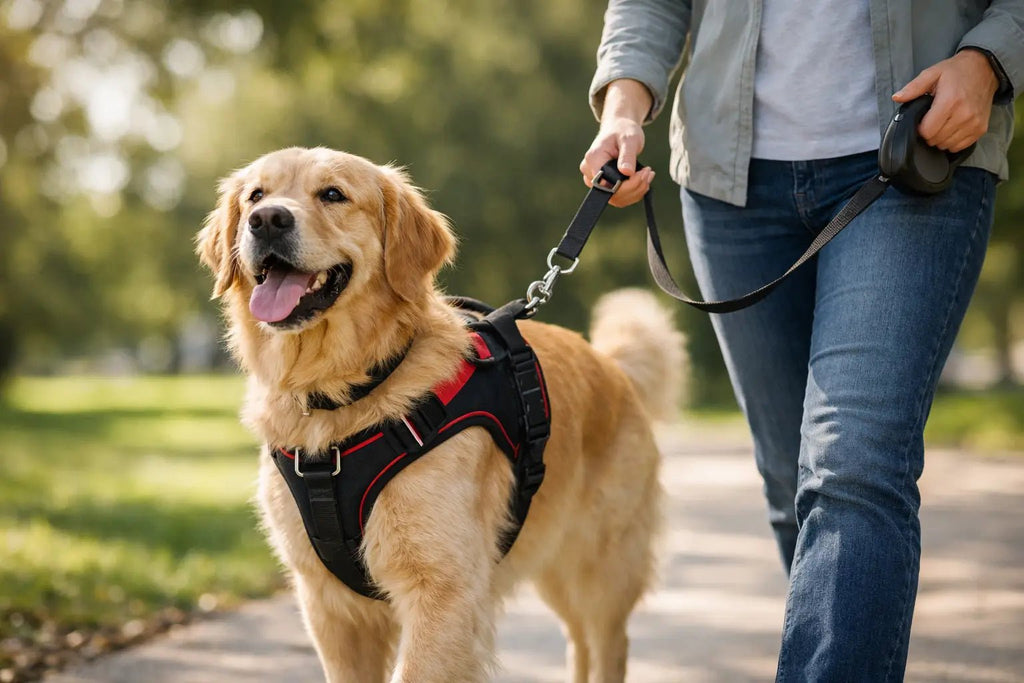
No Pull Harness Review for Daily Walks
A walk can go from relaxing to frustrating fast when your dog hits the end of the leash and keeps charging ahead. That is why a good no pull harness review matters. The right harness can make daily walks feel safer, more comfortable, and a lot less stressful for both you and your dog.
Not every no-pull design works the same way, though. Some give you better steering, some focus on comfort, and some look great online but rub, shift, or loosen once your dog starts moving. If you are trying to choose a harness that helps with pulling without spending more than you need to, it helps to know what is actually worth paying attention to.
What a no-pull harness is supposed to do
A no-pull harness is not magic training gear. It does not instantly teach leash manners, and it will not fix pulling on its own. What it can do is give you more control in a gentler way than a standard collar, while reducing strain on your dog’s neck.
Most no-pull harnesses work by changing where leash pressure is applied. A back-clip harness is often comfortable for casual walking, but it can encourage determined dogs to lean forward like a sled dog. A front-clip option helps redirect your dog’s body when they pull, which can make lunging and dragging less intense.
That is the big promise behind this type of gear - better guidance, less choking, and more comfort during everyday walks. For many pet parents, that combination makes a real difference.
No pull harness review - what matters most
If you are comparing options, the best harness is not always the one with the most features. It is the one that fits your dog well, feels comfortable for daily use, and gives you enough control for your normal routine.
Fit comes first
A harness can have soft padding, strong stitching, and an attractive price, but if the fit is off, the rest does not matter much. A loose harness can twist around the chest or let your dog back out. One that is too snug can rub under the legs or limit shoulder movement.
Look for adjustable straps in more than one place, especially around the chest and torso. Dogs come in all shapes, and broad-chested breeds, deep-chested dogs, and slim dogs rarely fit into one basic pattern the same way. A secure fit should feel close without pinching, and you should still be able to slide two fingers under the straps.
Front clip versus back clip
For dogs that pull hard, a front leash attachment is usually the main feature that matters. It helps turn your dog back toward you instead of letting them put their full weight into dragging you forward. That can be especially helpful for young dogs, large breeds, and energetic walkers.
A back clip still has value. It often feels simpler for calm dogs and can be a comfortable choice for dogs who do not pull much. Some of the best harnesses include both, which gives you flexibility. If your dog is still learning, a dual-clip design can be a smart middle ground.
Comfort for the dog
A harness should help your dog, not just help you manage them. Soft edges, breathable material, and enough room around the shoulders all matter. If a harness sits too close to the armpits or cuts across natural movement, your dog may resist wearing it or develop rubbing spots over time.
This is where cheaper options can be hit or miss. A low price is great, but not if the material is stiff or the hardware feels rough. Value comes from balancing comfort and durability, not simply picking the least expensive option on the page.
Ease of putting it on
Daily gear should not feel like a wrestling match. Some harnesses slip on quickly with one buckle, while others take more adjusting every time. If your dog is nervous, wiggly, or impatient, an easier design can save you a lot of stress.
Step-in harnesses work well for some dogs, but not all dogs like having their paws handled. Over-the-head styles are common and can be secure, though some pets dislike anything sliding over their face. There is no single winner here - it depends on your dog’s personality as much as the design.
Durability and hardware
A leash attachment point needs to hold up under real pressure. Strong stitching, reliable buckles, and metal rings usually inspire more trust than thin plastic parts on a heavy puller. If you walk in rain, mud, or heat, material quality matters even more.
The good news is that you do not have to overspend to get something dependable. Plenty of affordable harnesses offer solid everyday performance. You just want to make sure the lower price does not come with weak points where it counts.
Who benefits most from a no-pull design
This style of harness tends to work best for dogs that forge ahead, lunge at distractions, or get overexcited at the start of walks. It can also help smaller pet parents feel more in control of larger dogs without relying on harsh equipment.
Puppies often do well with a no-pull harness because they are still learning and need guidance. Rescue dogs and newly adopted pets can also benefit while they settle into routines and build trust. For senior dogs or dogs with throat sensitivity, shifting pressure away from the neck can be a much kinder option.
That said, some dogs barely pull at all. If your dog already walks gently on leash, a simple well-fitted harness may be enough. No-pull features are useful, but they are not necessary for every pet.
The trade-offs pet parents should know
A balanced no pull harness review should be honest about the downsides too. Front-clip harnesses can reduce pulling, but they may not feel as natural for every dog at first. Some dogs move awkwardly for the first few walks until they get used to the redirection.
There is also a training piece. If your dog pulls because they are overexcited, reactive, or under-exercised, equipment alone will not solve the whole problem. A harness is a helpful tool, but it works best when paired with consistent leash practice, rewards, and patience.
Another trade-off is freedom of movement. Some heavily structured harnesses offer excellent control but can feel bulkier than lighter everyday styles. If your dog wears a harness for long outings, hikes, or extended play breaks, comfort may matter more than maximum control.
How to tell if a harness is worth the price
A worthwhile harness does not need flashy branding. It should do four things well: fit securely, stay comfortable, give you better control, and hold up over time. If it checks those boxes, it is delivering real value.
Good value also means the harness fits your actual lifestyle. If you need something for quick neighborhood walks, you may not need extra-heavy outdoor features. If your dog pulls hard every day, paying a little more for stronger materials and a better front-clip setup can save money in the long run.
For budget-conscious families, this matters a lot. You want gear that feels reliable without turning a basic daily need into an expensive project. That is why many pet parents shop with stores like Souths Pet Supplys - comfort, function, and fair pricing matter more than hype.
What to look for before you buy
Before choosing a harness, measure your dog’s chest and check the brand sizing chart closely. Weight alone is not enough. Two dogs at the same weight can have very different builds.
Read product details with your routine in mind. Reflective trim is useful for early morning or evening walks. Padding helps with comfort on longer outings. A handle on the back can be handy for helping dogs in and out of the car or managing busy areas.
It is also smart to think about your own comfort. If the buckles are awkward, the straps slip loose, or the harness takes too long to put on, you may stop using it consistently. The best harness is one that works in real life, not just in product photos.
A practical final take on any no pull harness review
If your dog pulls, a no-pull harness is often one of the simplest upgrades you can make to your walking routine. It can reduce neck strain, improve control, and make outings feel calmer and more enjoyable. That is a win for your dog and for you.
Still, the best choice depends on your pet’s size, shape, energy level, and walking habits. A front-clip design can be very helpful, but only if it fits well and stays comfortable. When you focus on secure fit, gentle control, and everyday value, you are much more likely to end up with a harness your dog actually feels good wearing.
A better walk does not always start with perfect training. Sometimes it starts with gear that makes both of you feel more confident the moment you step out the door.
Related post

23
Jun

19
Jun
17
Jun

15
Jun
