
How to Rotate Dog Toys for Longer Play
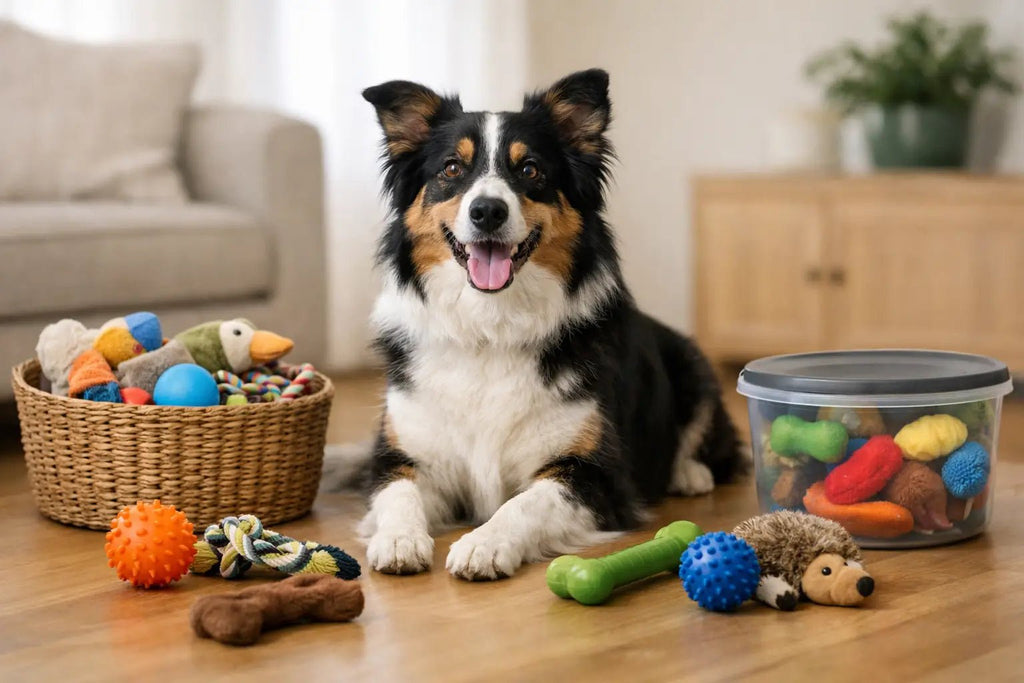
If your dog has a basket full of toys but still follows you around like they have nothing to do, the problem may not be a lack of toys. It may be that your dog is seeing the same ones every day. Learning how to rotate dog toys is a simple way to make old favorites feel new again, keep playtime interesting, and help you get more value from the toys you already own.
Toy rotation sounds fancy, but it is really just a habit. Instead of leaving every toy out at once, you put some away and bring others out on a schedule. For many dogs, that small change can boost excitement, cut down on boredom, and even reduce destructive chewing around the house.
How to rotate dog toys without overthinking it
A good toy rotation system should make pet parenting easier, not add one more task to your week. The easiest approach is to separate your dog's toys into a few small groups, then swap them every few days or once a week. You do not need a perfect spreadsheet or a labeled storage wall to make this work.
Start by gathering every toy your dog has. Toss anything broken, heavily torn, or unsafe. Then sort what is left by type. You might have chew toys, plush toys, balls, tug toys, puzzle toys, and comfort toys. This matters because dogs usually do better with a mix of play styles rather than a pile of nearly identical toys.
Once you see what you have, create three or four sets. Each set should include a little variety. For example, one group might have a chew toy, one toss toy, one soft toy, and one enrichment toy. Put one set out and store the others in a closet, bin, or cabinet your dog cannot access.
That is the whole foundation. Every rotation day, you swap the current set for another one. Most dogs respond best when there is enough time to miss a toy a little, but not so long that they forget how much they love it.
Why toy rotation works so well for dogs
Dogs do not always need more stuff. Often, they need more novelty. A toy that sits on the floor every day can quickly become part of the background. The same toy brought back after a week or two can suddenly feel exciting again.
This is especially helpful for dogs who get bored easily, dogs left home alone for stretches of the day, and puppies who seem to need a job every waking minute. Rotation can also help multi-dog households keep things calmer because fewer toys are available at once, which may reduce clutter and competition.
There is also a practical benefit that many pet parents appreciate right away. Rotating toys can make them last longer. When every toy is available all the time, they tend to get used harder, dirtier, and more damaged. When only a few are in circulation, you can clean them, inspect them, and replace them more thoughtfully.
For budget-conscious families, this matters. You do not need to constantly buy new toys to keep your dog happy. A smart rotation routine can stretch the life and fun of the toys you already have.
How often should you rotate dog toys?
There is no single perfect schedule because dogs have different personalities, energy levels, and play habits. A highly active puppy may need a refresh every two or three days. A calmer adult dog may be perfectly happy with a weekly rotation.
A simple place to begin is once a week. If your dog loses interest after a day or two, rotate sooner. If they are still engaged and carrying the same toy around proudly on day seven, you can keep that set out a little longer.
It also helps to watch your dog's behavior. If they start chewing furniture, pestering you nonstop, digging through empty corners, or ignoring the toys in front of them, that is often a sign the current toy mix is stale. On the other hand, if they are happily playing, settling, and checking in with their toys throughout the day, your schedule is probably working.
The best toy mix for a rotation system
The goal is not to create equal piles by number. The goal is to create balanced sets that meet different needs. Dogs play for different reasons. Some want to chew. Some want to chase. Some want comfort. Some want a little problem-solving challenge.
A strong rotation often includes a durable chew toy for stress relief and jaw work, an interactive toy like a tug or fetch option, a soft toy for carrying or cuddling, and a mentally engaging toy such as a treat puzzle or slow-dispensing item. If your dog has a clear favorite category, you can lean into it, but it is still smart to offer variety.
It depends on your dog, though. Some dogs destroy plush toys in minutes, so soft toys may need supervision or may not belong in every set. Senior dogs may prefer gentler toys that are easier on aging teeth and gums. Heavy chewers usually need fewer toys out at once, but those toys need to be sturdier.
Toys you should not rotate out completely
While rotation is helpful, a few toys may deserve permanent access. Many dogs have one comfort item they sleep with or carry when they are anxious. Taking that toy away can create stress instead of healthy novelty.
The same goes for toys used for crate time, calming routines, or specific training exercises. If a toy plays a role in helping your dog settle, travel comfortably, or stay busy during a predictable part of the day, it may be better to keep it available.
That is the main trade-off with toy rotation. You want enough novelty to keep life interesting, but not so much change that your dog loses their sense of comfort and routine.
Common mistakes when learning how to rotate dog toys
One common mistake is rotating by random handfuls instead of by purpose. If one week's set has only balls and the next week's set has only chew toys, your dog may seem less interested simply because the set does not match how they like to play.
Another mistake is leaving too many toys out. When the floor is covered in options, many dogs stop noticing them. A smaller, cleaner selection usually works better.
Safety can get overlooked too. Rotation day is the perfect time to check for loose seams, worn rope strands, cracks, stuffing coming out, or pieces that could become choking hazards. Clean toys before storing them so they are fresh and ready when they come back into the lineup.
Finally, do not expect every dog to react the same way right away. Some dogs instantly get excited by "new" old toys. Others need a little time for the pattern to click. Stick with it for a few weeks before deciding whether your schedule needs adjusting.
Making toy rotation easier for busy pet parents
If you are already juggling walks, meals, grooming, and everything else, toy rotation should feel manageable. Keep it simple. Use a few storage bins, label them if that helps, and change toys on the same day each week so you do not have to remember a random schedule.
It can also help to tie rotation to other routine tasks. Swap toys when you wash your dog's blankets, restock food, or do a quick tidy-up of your pet supplies. Little habits are easier to keep than big plans.
If you have kids, this can be a great family task too. Let them help choose which toy set comes out next, while an adult handles safety checks. That makes playtime feel fresh for the whole household.
For pet parents shopping with both value and quality in mind, it is smart to build a toy collection slowly and intentionally. A few well-chosen toys in different styles usually do more for your dog than a huge pile of cheap duplicates. That kind of thoughtful mix is exactly what makes a rotation system work.
When to add new toys to the rotation
You do not need to add new toys constantly, but there are times when it makes sense. If your dog's age, chewing strength, or play style has changed, your lineup may need an update. Puppies often outgrow certain toys fast. Adult dogs may develop stronger preferences. Senior dogs may need softer or easier-to-handle options.
You might also add a new toy if your dog seems under-stimulated even with rotation, or if too many toys have worn out at once. Just do not confuse novelty with quantity. One or two thoughtfully chosen additions can refresh the whole system.
At Souths Pet Supplys, that practical approach is part of what makes everyday pet care feel easier - happy dogs do not always need more, they just need the right things at the right time.
A simple rotation plan to start this week
If you want the easiest version, aim for three groups of toys and rotate every seven days. Keep one comfort toy out if your dog relies on it. Include one chew, one active play toy, one soft toy, and one enrichment toy in each group if possible.
After two or three weeks, pay attention to what changed. Is your dog more interested in play? Are they pestering less, settling better, or revisiting toys they used to ignore? Those small signs tell you the system is doing its job.
You do not need a perfect setup to make your dog's world feel more fun. Sometimes a little rotation, a little observation, and a little care are enough to turn everyday toys into a better daily routine.
Related post
15
Jul
13
Jul
