
Cat Feeding Routine Guide for Happier Mealtimes
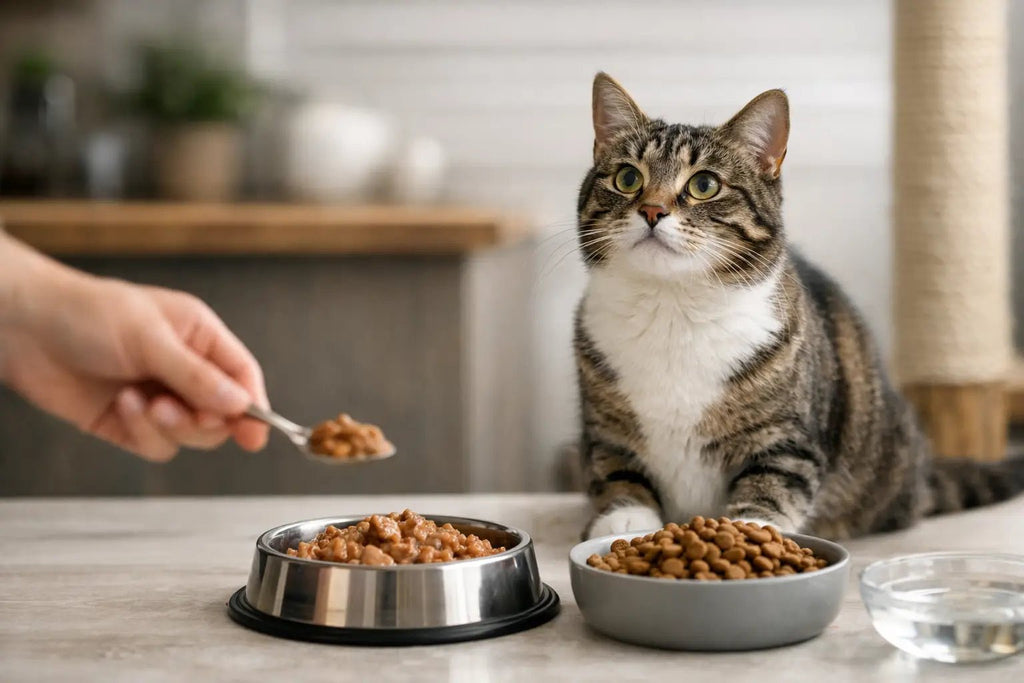
A cat who starts pacing by the food bowl at 5:45 p.m. is not being difficult. They have learned that dinner is part of the household rhythm. A thoughtful cat feeding routine guide helps turn that expectation into something healthy: the right food, an appropriate amount, a calm place to eat, and a schedule your family can keep.
Cats tend to appreciate predictability, but their routine does not need to be rigid down to the minute. The best plan fits your cat's age, health, activity level, and personality while making everyday pet parenting easier for you.
Build a Cat Feeding Routine Guide Around Your Cat
Start with the food itself. Choose a complete and balanced cat food made for your cat's life stage, such as kitten, adult, or senior. Kittens need more energy and nutrients to support rapid growth, while many adult cats do well with a steady maintenance formula. Senior cats can have changing needs, especially if they develop dental, digestive, kidney, or weight concerns.
Your veterinarian is the best person to guide feeding for a cat with a diagnosed medical condition, sudden appetite change, or special dietary needs. For healthy cats, use the feeding chart on the package as a starting point, not a final rule. Those charts are broad estimates, and one indoor cat may need far fewer calories than another cat of the same weight who spends hours climbing, playing, or roaming outdoors.
A mix of wet and dry food can work well for many homes. Wet food adds moisture and can be especially appealing to cats that do not drink much. Dry food is convenient, easy to portion, and can suit cats who prefer to nibble. Neither option is automatically right for every cat. What matters most is a nutritionally complete food your cat eats well, digests comfortably, and receives in the right daily amount.
Set Meal Times That Work for Real Life
Most healthy adult cats do well with two measured meals each day, often morning and evening. This gives them a dependable rhythm without asking you to refill a bowl all day. If your schedule allows, a small third meal can be useful for cats who become overly hungry between meals or tend to eat too quickly.
Kittens usually need more frequent meals because their small bodies are growing fast. Many need three or four meals daily, depending on age and veterinary guidance. Some older cats also do better with smaller, more frequent portions if they have trouble finishing larger meals at once.
Free-feeding, or leaving dry food out all day, can be convenient, but it is not the best fit for every cat. It makes it harder to notice a drop in appetite and easier for some cats to overeat. It can also create tension in multi-cat homes, where one confident cat may quietly eat more than their share. Timed meals make portions clearer and help you spot changes that deserve attention.
If you need flexibility, an automatic feeder can serve measured dry-food portions while keeping your cat's familiar schedule intact. For wet food, offer it at set times and remove leftovers after a reasonable period, especially in warm rooms. Freshness matters as much as convenience.
Portion Food With Care, Not Guesswork
Measuring meals is one of the kindest things you can do for a cat's long-term comfort. Use a proper measuring cup for dry food or weigh portions with a small kitchen scale for greater accuracy. A bowl that looks only a little fuller can add up over weeks and months.
Begin with the package recommendation for your cat's current weight and age, then divide the daily amount across their meals. If you feed both wet and dry food, count calories from both instead of giving the full recommended serving of each. Treats, table scraps, and little bites shared during the day count, too.
Keep treats small and occasional. As a general guideline, treats should make up no more than about 10 percent of a cat's daily calories. Better yet, set aside a few pieces of their regular kibble for training or puzzle toys. Your cat still gets the fun of a reward without quietly adding extra calories.
Watch your cat's body condition rather than relying on the number on the scale alone. You should usually be able to feel the ribs with light pressure, see a waist when looking from above, and notice a gentle tummy tuck from the side. If your cat is gaining or losing weight unexpectedly, talk with your veterinarian before making major food changes.
Create a Calm, Comfortable Feeding Station
Where your cat eats affects how peacefully they eat. Put bowls in a quiet, low-traffic area away from the litter box. Most cats do not enjoy eating beside a noisy appliance, a busy doorway, or a curious dog. A washable feeding mat can catch spills and make daily cleanup simple.
Choose shallow, wide bowls when possible. Some cats dislike their whiskers brushing deep bowl sides, which can lead to food being scooped onto the floor or left around the edges. Stainless steel and ceramic bowls are easy to clean and tend to hold up well with daily use.
Fresh water deserves its own plan. Place water bowls away from food and litter, refresh them every day, and wash them regularly. Some cats prefer a wide bowl, while others drink more from a pet fountain with moving water. Offering water in more than one spot can be a smart choice in larger homes or for households with multiple pets.
For multi-cat families, feed cats separately enough that each can eat without being watched or rushed. Separate rooms are helpful when food guarding, prescribed diets, or different portion needs are involved. A cat who eats too fast may benefit from a slow feeder or a puzzle feeder that turns mealtime into gentle mental play.
Let Your Cat's Behavior Guide Small Adjustments
A good routine is consistent, but it should not ignore what your cat is telling you. Pay attention to how eagerly they approach food, whether they finish meals, their stool quality, coat condition, energy, and changes in weight. These everyday clues can reveal whether a routine is working comfortably.
Call your veterinarian promptly if your cat refuses food for a day, eats much less than usual, vomits repeatedly, has ongoing diarrhea, drinks far more than normal, or seems painful while eating. Cats can become seriously unwell when they stop eating, particularly if they are overweight. Do not assume a skipped meal is simply fussiness.
Some cats ask for food because they are bored, not because they are hungry. Before adding another serving, try a short play session, a window perch, or a food puzzle. Hunting-style play followed by a meal can feel especially natural for cats and may make them more settled afterward.
Make Food Changes Slowly
A new food may be exciting to bring home, but a sudden switch can upset a sensitive stomach. Unless your veterinarian recommends a faster change, introduce new food gradually over about seven to 10 days. Start with mostly old food and a small amount of the new food, then increase the new portion as your cat adjusts.
During the transition, keep meal times and bowl placement familiar. If your cat develops vomiting, diarrhea, or refuses the new food, slow down and ask your veterinarian for advice. A gradual approach protects your cat's comfort and prevents wasted food.
Keep the Routine Simple Enough to Last
The most helpful cat feeding routine is one you can repeat on busy weekdays, quiet weekends, and travel-heavy seasons. Keep food stored in a cool, dry place, use airtight containers when appropriate, and check dates before opening a new bag or can. Having clean bowls, a feeding mat, and a backup supply of familiar food on hand removes stress when life gets hectic.
At Souths Pet Supplys, we believe everyday care should feel warm, practical, and affordable. A few steady habits can make mealtimes a reassuring part of your cat's day, leaving more room for the head bumps, slow blinks, and happy moments that make sharing a home with a cat so special.
Tonight, try serving your cat's next meal in a clean bowl, in a quiet spot, at a familiar time. That small act of consistency is often where a healthier, happier routine begins.
Related post


15
Jul

13
Jul
