
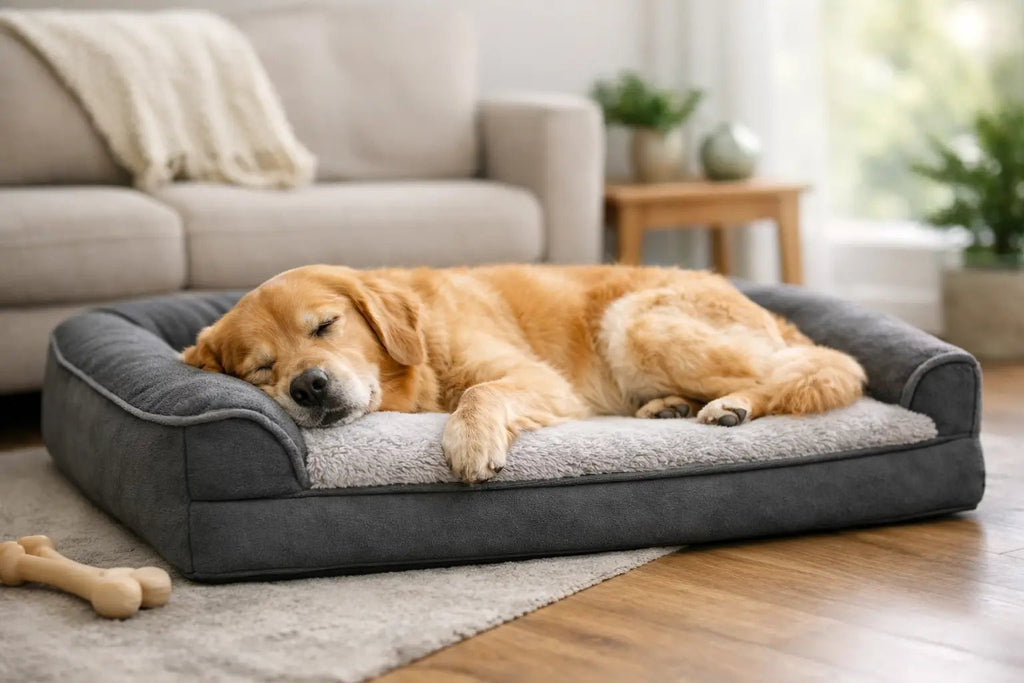
Orthopedic Dog Bed Review for Better Rest
A dog who takes a few extra seconds to lie down, changes positions all night, or avoids their usual sleeping spot may be asking for more support. This orthopedic dog bed review focuses on what makes a bed truly comfortable for dogs, not just attractive in a product photo. The right bed can give your pup a softer place to rest after walks, playtime, and all the little adventures that fill a happy day.
Orthopedic beds are especially popular for senior dogs, large breeds, and pups with stiff joints. But they can also be a smart everyday choice for younger dogs that deserve comfortable, lasting sleep. The key is knowing which features add real value and which ones simply sound impressive.
What an Orthopedic Dog Bed Should Do
An orthopedic dog bed is designed to distribute your dog's weight more evenly than a thin cushion or loose fiber-filled bed. Its main job is to reduce pressure on the hips, shoulders, elbows, and spine while helping your dog settle into a natural sleeping position.
For many dogs, that means a bed made with dense foam rather than a bed that flattens quickly under their body. A supportive surface should gently cradle your dog without letting them sink all the way to the floor. When a bed stays supportive night after night, it is more likely to be worth the investment.
That said, no pet bed can diagnose or treat pain. If your dog is limping, crying when touched, struggling to stand, or suddenly sleeping far more than usual, a veterinarian should be your first call. A comfortable bed can support their daily routine, but professional care matters when something feels off.
Orthopedic Dog Bed Review: The Features That Count
Foam density matters more than bed thickness
A thick bed can look luxurious, but thickness alone does not guarantee support. The most useful orthopedic beds generally use high-density foam, memory foam, or a layered combination. Memory foam responds to body heat and weight, helping cushion pressure points. High-density support foam helps the bed hold its shape and keeps heavier dogs from bottoming out.
For a small dog, a medium-thick foam base may feel just right. For a Labrador, German Shepherd, Mastiff, or another large breed, a deeper and firmer base usually makes more sense. If a product description does not explain the type of foam used, look carefully at customer feedback and return policies before deciding.
Egg-crate foam can provide some cushioning and airflow, especially at a budget-friendly price. It may be a good fit for a light dog or a puppy, but it often does not offer the same long-term support as solid foam. There is nothing wrong with choosing an affordable option - just match it to your dog's size and needs.
The right size gives your dog room to relax
Measure your dog while they are sleeping, not only while they are standing. Add several inches so they can stretch, curl up, or rest on their side without hanging off the edge. Dogs that love to sprawl usually appreciate a larger sleeping surface, while dogs that curl into a tight little circle may prefer a snugger nest-style bed.
Weight ranges can be helpful, but body shape matters too. A long, lean dog may need a larger bed than their weight suggests. A broad-chested dog may need more width. When in doubt, sizing up is often the safer choice, provided you have space for the bed where your dog already likes to rest.
Bolsters are comforting, but not right for every dog
Raised sides can make a bed feel cozy and secure. Many dogs enjoy resting their chin on a bolster or tucking themselves against a soft edge. Bolsters can also help keep drafts off a small dog in a cool room.
However, a fully bolstered bed may be difficult for an older dog with arthritis to step into. Dogs with mobility challenges often do best with a low front entry, even if the other sides are raised. A flat mattress-style orthopedic bed is another easy-access option. Think about how your dog gets in and out of bed now, not just how cute the bed will look in the living room.
A washable cover protects comfort and your budget
Even the best foam will not feel fresh if the bed is hard to clean. A removable, machine-washable cover is one of the most practical features to look for, particularly for puppies, muddy paws, heavy shedders, or dogs prone to accidents.
Look for a cover with a sturdy zipper and fabric that feels soft without being overly delicate. A water-resistant liner beneath the cover is a helpful extra because it protects the foam from moisture and odors. It is not a replacement for washing the cover, but it can extend the life of the bed.
If your dog likes to dig, circle, or nest before settling down, durable stitching matters as well. No fabric is truly indestructible for every determined chewer, so beds are not a safe substitute for chew toys or supervision. For dogs who chew bedding, choose a simple design with fewer loose edges and remove the bed if they begin tearing or swallowing material.
Which Dogs Benefit Most?
Senior dogs are the clearest candidates for orthopedic support. As dogs age, everyday activities like climbing stairs, jumping onto the sofa, or getting up after a nap can become harder. A supportive bed gives them a dependable place to rest their joints after activity.
Large and giant breeds can benefit too because their body weight places more pressure on their joints and bedding. Dogs with arthritis, hip dysplasia, elbow discomfort, or previous injuries may also appreciate a bed that does not compress too quickly.
Healthy adult dogs and energetic puppies can use orthopedic beds as well. Comfort is not only for dogs with a diagnosis. If your dog sleeps for much of the day, a well-made bed can make those hours more restful. Still, a young dog that enjoys a thin crate mat may not need the most premium foam option available. Choose based on your dog's habits and your household budget.
How to Tell if the Bed Is a Good Fit
Give your dog a little time to adjust. Some pups accept a new bed immediately, while others need several days before they decide it is their favorite spot. Place it in a familiar quiet area, such as near the family room, beside your bed, or where they already nap.
A good fit often shows up in small ways. Your dog may settle faster, stay in the bed longer, stretch out comfortably, or choose it over the floor. Check the foam after a week or two by pressing your hand into the center. It should slowly recover and should not feel permanently compressed beneath your dog's usual sleeping area.
Also watch how the bed performs after washing. A cover that shrinks, loses its shape, or becomes difficult to put back on can make routine care frustrating. Easy cleaning is part of everyday comfort for both pets and pet parents.
Getting Better Value From Your Purchase
The best orthopedic dog bed is not always the most expensive one. A fair price paired with supportive foam, sensible sizing, and a washable cover can deliver much more day-to-day value than a flashy bed with unclear materials. Focus on the features your dog will use every night.
Before ordering, measure the spot where the bed will go and consider your dog's favorite sleeping style. A roomy bed in a peaceful corner is more likely to get used than an oversized bed squeezed into a busy walkway. Adding a familiar blanket can help the bed smell like home, especially for a newly adopted dog or a pup adjusting to a different room.
At Souths Pet Supplys, we believe comfort should feel caring and affordable. Your dog does not need a complicated sleep setup to feel loved - they need a clean, supportive spot that suits their body, their habits, and the place they call home.
A good bed becomes part of your dog's daily rhythm: a soft landing after a walk, a cozy place during family movie night, and a familiar retreat when the house gets busy. Choose the support that fits your pup, keep it fresh, and let every nap be a little more comfortable.
Related post


15
Jul

13
Jul
