Cat Collar Safety Guide for Everyday Peace of Mind
A collar can help a lost cat find their way home, but it should never become something they have to fight against. Cats squeeze through chair legs, leap into shrubs, groom around their necks, and investigate places no one expects. This cat collar safety guide focuses on the small choices that keep an everyday accessory comfortable, useful, and much safer for your curious companion.
Start With a Breakaway Collar
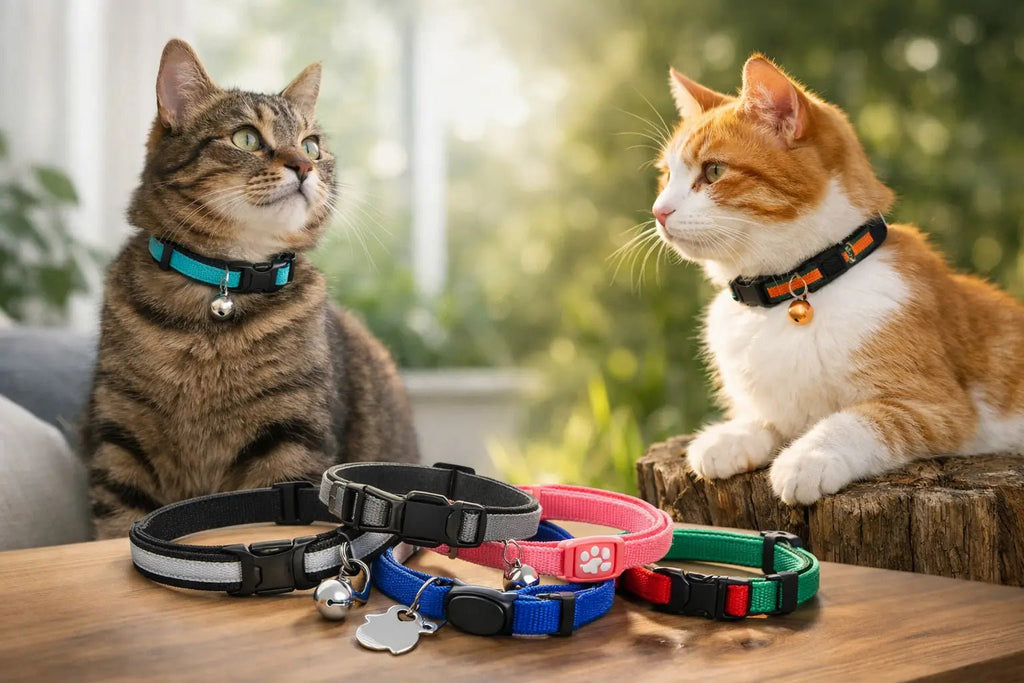
For most cats, a breakaway collar is the safest choice. Its buckle is designed to release when the collar gets caught on a branch, crate, fence, furniture edge, or another object. That quick release can prevent a frightening injury, especially for cats who go outdoors or have access to screened porches, garages, and busy play spaces.
A standard buckle collar may stay secured when pulled, which is useful for some dogs but creates more risk for cats. Cats are agile and flexible, yet that does not protect them from getting tangled. Even indoor cats can snag a collar while climbing a cat tree, slipping behind furniture, or playing with another pet.
Breakaway collars do have one trade-off: they can come off. A cat may lose a collar during an adventurous afternoon, and you may need to replace it. That is a worthwhile exchange for a design meant to release under pressure. For extra peace of mind, pair the collar with a current microchip. The collar provides immediate contact information, while a microchip provides a lasting backup if the collar is lost.
Get the Fit Right
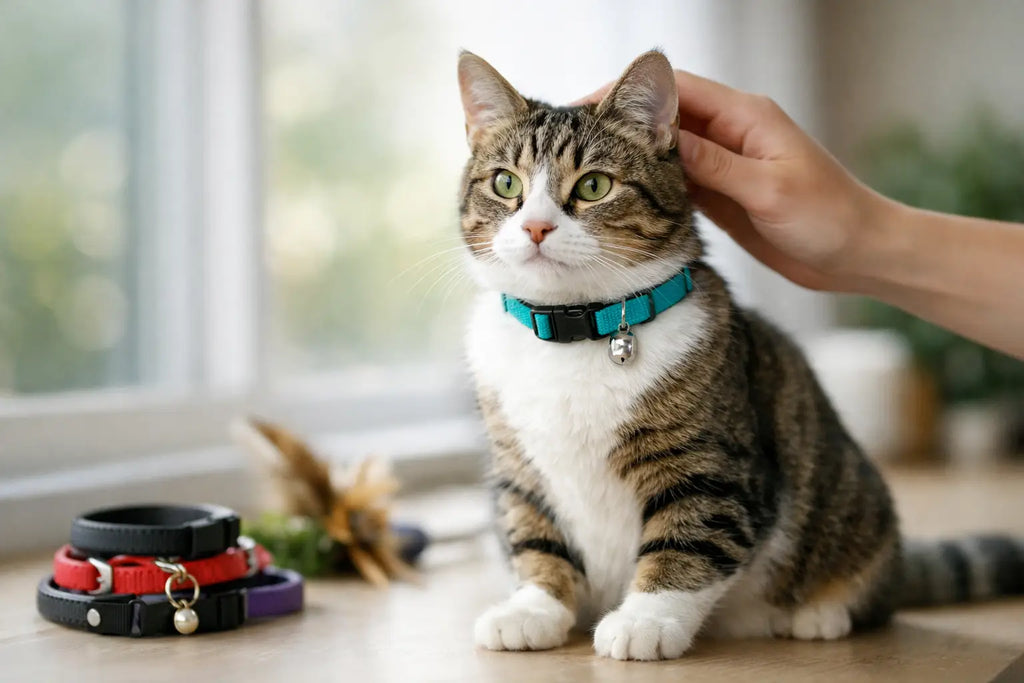
A safe collar should sit comfortably around your cat's neck without sliding over their head or pressing into their skin. The familiar two-finger check is a helpful starting point: you should be able to slide one or two fingers comfortably between the collar and your cat's neck. For a tiny kitten or a particularly slender cat, one finger may be more realistic. The goal is room to move, not room to escape.
Check the fit while your cat is standing normally, then look again after they stretch, eat, or settle down for a nap. Long-haired cats can make a collar appear looser than it really is, so gently feel beneath the fur rather than judging by sight alone.
A collar that is too tight can rub the skin, flatten fur, interfere with swallowing, or become more restrictive if your cat gains weight. One that is too loose can catch a lower jaw or front leg, leaving a cat distressed or injured. If you notice frequent scratching, head shaking, bare spots, redness, or a collar that rotates constantly, adjust the fit or try a softer, lighter style.
Kittens Need More Frequent Checks
Kittens grow fast, sometimes faster than a collar adjustment schedule. Check a kitten's collar at least every few days and after any noticeable growth spurt. A collar that fit perfectly last week may be uncomfortably snug today.
Never put a collar on a kitten who is too small for it, and supervise early wear when possible. Give your kitten short, calm sessions to get used to the feeling. A little distraction with play or a favorite meal can make the adjustment easier.
Choose Light, Smooth Materials
The best collar is one your cat can wear with little fuss. Look for lightweight materials with smooth edges and a comfortable finish. A soft nylon, fabric, or gentle adjustable material can work well when it is properly fitted and kept clean.
Heavy decorative pieces, stiff hardware, and oversized bows can feel awkward on a cat's small neck. They may also catch on furniture or make grooming harder. A collar can still show off your cat's personality without becoming bulky. Bright colors, simple patterns, and reflective details are usually more practical than large add-ons.
Reflective accents can be especially helpful for cats who are outside near dawn, dusk, or nighttime. They are not a substitute for supervision or a safe outdoor setup, but they can make a cat easier to spot in low light.
Keep Tags Helpful and Minimal
An ID tag is one of the simplest ways to help a neighbor, shelter, or veterinary office contact you if your cat is found. Include your cat's name and a current phone number. If there is room, adding “indoor cat” may encourage the finder to take extra care if your cat is not used to being outside.
Keep tags small and lightweight. A large tag or a cluster of charms can bang against a food bowl, make persistent noise, and add unnecessary weight. Some cats do not mind a bell, while others find it irritating or become more focused on trying to remove the collar. A bell may also be less effective than people expect at preventing hunting, particularly for quick, experienced cats.
If your cat wears a tag, inspect the split ring or attachment point regularly. Bent metal, sharp edges, or a loose attachment can create a safety problem. Replace worn tags before they fail, not after your contact information is gone.
Know When to Skip the Collar
Collars are useful for many cats, but they are not required every minute of every day. If your cat has a neck wound, irritated skin, recent surgery near the neck, or a condition that makes wearing a collar uncomfortable, ask your veterinarian what is appropriate. Comfort and healing come first.
It is also wise to remove a collar during supervised grooming or bathing. Wet fabric can hold moisture against the skin, and a damp collar may become uncomfortable. Once your cat is dry and relaxed, put on a clean, properly adjusted collar.
For cats who strongly resist collars, do not force the issue without considering why. Start with a light breakaway option and introduce it gradually. If your cat panics, freezes, or repeatedly gets a leg caught despite a correct fit, speak with your veterinarian or a qualified feline behavior professional. The right plan depends on your cat's age, health, lifestyle, and personality.
Be Careful With Flea and GPS Collars
Flea collars and tracking collars need extra thought because they are often heavier or contain active ingredients. Only use flea-control products labeled for your cat's age and weight, and follow the package directions exactly. Never use a dog flea collar on a cat. If your cat develops drooling, skin irritation, vomiting, unusual behavior, or trouble walking after using a flea product, remove it and contact a veterinarian promptly.
GPS collars can offer reassurance for outdoor cats, but the device should be light enough for your cat to wear comfortably and attached to a breakaway-style collar whenever possible. A tracker cannot help if it makes your cat reluctant to move, creates rubbing, or turns a snag into a dangerous situation. Consider whether your cat's roaming habits truly justify the extra bulk.
Make Collar Checks Part of Daily Care
A quick look each day takes only a moment. Run your fingers around the collar to confirm it is not too tight, check that the breakaway buckle opens and closes correctly, and look for fraying, cracks, or stretched fabric. Make sure tags are readable and your phone number is current.
Wash fabric collars when they collect dirt, food residue, or oils from the coat. Let them dry completely before putting them back on. It also helps to keep a spare breakaway collar at home. If one gets lost during playtime or becomes worn, you will not have to choose between using an unsafe collar and sending your cat without identification.
Watch for Changes in Behavior
Your cat will often tell you when something is wrong. Repeated scratching at the neck, hiding when the collar comes out, reluctance to eat from a bowl, or sudden sensitivity around the neck deserves attention. Remove the collar, inspect the skin and the collar itself, and make changes before irritation becomes a bigger problem.
A well-chosen collar should support your cat's safety without getting in the way of naps, zoomies, sunny windows, or quiet cuddles. Choose a light breakaway design, check the fit often, and replace it when it shows wear. Those small acts of care help keep happy pets comfortable, identifiable, and ready for every ordinary adventure.