Best Dog Raincoats for Walks That Keep Dogs Comfortable
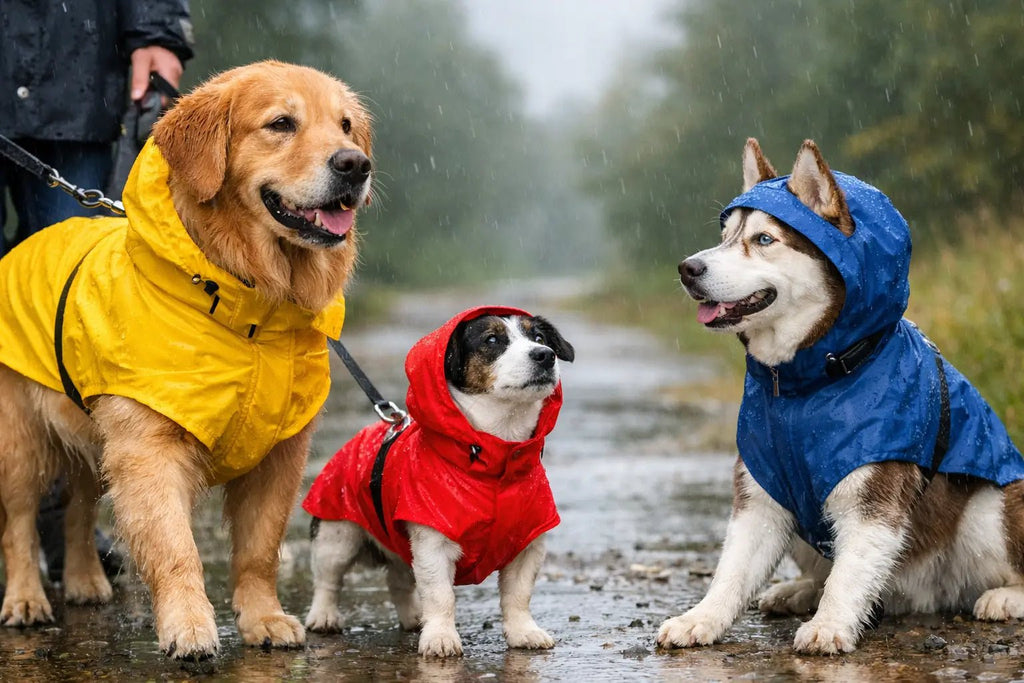
A soggy dog can turn a quick potty break or favorite neighborhood walk into an uncomfortable chore. The best dog raincoats for walks do more than look cute in a drizzle. They help keep your pup dry, protect their comfort when the temperature drops, and make it easier for you both to enjoy fresh air when the forecast is less than perfect.
Not every dog needs a raincoat for every sprinkle. A thick-coated dog may be perfectly happy during a brief, mild shower, while a small, short-haired, senior, or low-to-the-ground pup may get chilled quickly. The right choice depends on your dog's body, coat, activity level, and the weather where you live. Fortunately, a practical raincoat does not have to be a luxury purchase to make rainy-day walks feel much better.
How to Choose the Best Dog Raincoats for Walks
Start with comfort and coverage, not color. A good raincoat should cover your dog's back from the base of the neck toward the tail without restricting their natural stride. If the coat is too short, water can run onto the lower back and hips. If it is too long, it can bunch up, interfere with tail movement, or become a tripping hazard.
Look closely at the chest and belly area, too. A coat with a protected chest is especially helpful for dogs that are close to the ground, since puddle splash can soak the front of their body quickly. Full belly coverage can be useful in heavy rain, but male dogs often need a design with an open or adjustable underside for easy bathroom breaks.
The best fit feels secure without squeezing. Your dog should be able to sit, sniff, trot, and shake off normally. Adjustable hook-and-loop closures are popular because they make it easy to fine-tune the fit, especially for dogs whose chest is broader or narrower than average. Check that straps lie flat and do not rub behind the front legs, where friction can cause irritation over longer walks.
Measure before you order
Guessing by breed is one of the easiest ways to end up with an unused raincoat in the closet. Dogs of the same breed can have very different chest sizes, back lengths, and body shapes. Use a soft measuring tape and take three measurements: from the base of the neck to the tail base, around the widest part of the chest, and around the neck.
Compare those numbers to the product's size chart. When your dog falls between sizes, chest measurement usually matters most because a coat that is too tight across the chest can limit movement and make a dog dislike wearing it. If your pup has a deep chest, long body, or extra fluffy coat, choose a style designed with adjustable points rather than relying on a one-size-fits-all shape.
Choose Fabric for Your Usual Weather
Water-resistant and waterproof are not the same thing. A water-resistant outer layer can handle a light shower or wet grass, but it may soak through during a steady downpour. For frequent rainy walks, choose a raincoat with a waterproof shell and seams that are designed to keep moisture out.
That said, maximum waterproofing is not always the answer. Some fully coated fabrics trap heat, which can make an active dog uncomfortable on warm, humid days. If your area gets mild rain rather than cold storms, a lightweight, breathable shell may be the happier choice. It keeps the coat from becoming a sweaty, crinkly layer that your dog wants to escape.
For chilly weather, a lined raincoat can add welcome warmth. Fleece or soft mesh linings are comfortable against the coat and help prevent a damp, clammy feeling. A lining also makes sense for puppies, small breeds, senior dogs, and short-haired dogs that get cold easily. In warmer climates, skip heavy insulation and focus on a light layer that dries fast after each outing.
A smooth interior is worth looking for, especially for dogs with long fur. Rough linings can create static, snag hair, or collect loose fur and mud. A coat that is easy to rinse and quick to air-dry will save time after those everyday wet walks.
Small Design Details Make Walks Easier
A raincoat should work with your everyday walking gear. Check for a leash opening that lines up with your dog's collar or harness. If your dog walks best in a harness, make sure the opening is large enough and positioned correctly. Trying to force a leash through a tiny opening can pull the coat out of place and create pressure on your dog's neck or back.
Reflective trim or bright color is another helpful feature. Rain often brings gray skies, early sunsets, and reduced visibility for drivers and cyclists. A little reflective detail gives your dog extra visibility without changing your normal walking routine. It is a simple safety feature that matters most on wet sidewalks, near roads, and during early morning or evening walks.
A hood may look adorable, but many dogs find it annoying or restrictive. Unless your dog is already comfortable with head coverings, a high collar that protects the neck is often the more practical option. Likewise, leg straps can keep a coat from shifting in windy conditions, but they should be soft, adjustable, and never tight enough to chafe.
Match the Coat to Your Dog's Walking Style
The best raincoat for a calm, ten-minute neighborhood loop may not be the best one for a dog who charges through trails, rolls in wet leaves, and pulls toward every puddle. Active dogs need flexible fabric and secure closures that stay in place while they move. A longer-cut coat with more belly protection can be useful for wet grass and muddy paths.
For quick potty trips, convenience may matter more than full coverage. A lightweight coat that slips on in seconds can be a real help when rain starts unexpectedly. If your dog dislikes clothing, this simple style is also a smart place to begin.
Dogs with thick double coats may only need a rain shell during prolonged rain, wind, or muddy outings. Their coat can hold moisture for a long time, so keeping the outer layer dry can reduce the lengthy towel session afterward. Short-haired dogs, lean dogs, and breeds that naturally feel the cold often benefit from a water-resistant layer much sooner.
Pay attention to your dog's behavior after a few walks. Shivering, stopping, scratching at straps, stiff movement, or trying to wriggle out of the coat are clues that something is off. The answer may be a larger size, a lighter fabric, or simply a different cut. A raincoat should support a happy walk, not become another thing your dog has to tolerate.
Help Your Dog Get Used to a Raincoat
Even a perfectly fitted coat can feel strange the first time. Introduce it indoors when there is no rush to get outside. Let your dog sniff it, then place it loosely over their back for a few seconds. Offer calm praise and a small treat, then take it off before they become frustrated.
Build up slowly until your dog can wear it comfortably around the house, then try a short dry-weather walk. This gives them time to adjust to the sound and feel of the fabric before rain, wind, puddles, and busy sidewalks are part of the experience. Keep your own energy relaxed. When a raincoat becomes part of a familiar walk routine, most dogs accept it quickly.
Never leave a raincoat on unsupervised for long periods. It is walking gear, not all-day clothing. Take it off when you return home, check your dog for any rubbing or trapped moisture, and give them a quick towel dry if needed.
Keep It Clean and Ready for the Next Shower
Mud and road grime can wear down fabric over time, so rinse the coat after particularly messy walks. Follow its care instructions before using a washing machine, dryer, fabric softener, or strong detergent. Harsh products can affect water-repellent finishes and may irritate sensitive skin if residue remains.
Hang the coat to dry fully before storing it. A damp raincoat folded into a drawer can develop odor or mildew, which is not pleasant for anyone. It is also smart to check closures, reflective details, and leash openings now and then. Small repairs or a gentle cleaning can extend the life of a budget-friendly coat and keep it comfortable season after season.
A Rainy-Day Essential That Feels Good
A well-chosen raincoat helps protect the part of the day many dogs love most: getting outside with you. Focus on a secure fit, weather-appropriate fabric, easy leash access, and features that suit your dog's real routine. Souths Pet Supplys makes it easier to find everyday pet comfort essentials that fit your budget as well as your pet's needs.
The next time clouds roll in, keep the first outing short, bring a towel for paws, and let your dog set the pace. With a comfortable coat and a little patience, rainy walks can still be full of tail wags.