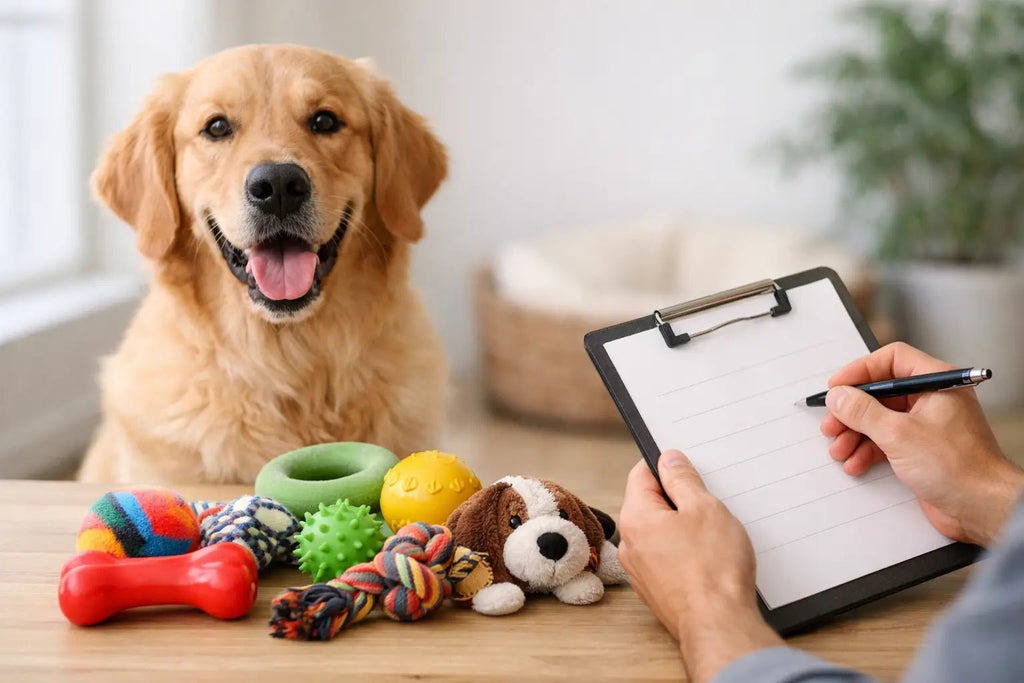
Dog Toy Safety Checklist for Happier Playtime
A toy can look perfectly fine from across the room, then turn into a problem when your dog pulls off a loose squeaker or swallows a chunk during an enthusiastic chew. This dog toy safety checklist helps you shop with confidence, set up safer play, and know when a favorite toy has reached the end of its useful life.
Play is more than a way to fill an afternoon. The right toy can support exercise, relieve boredom, encourage healthy chewing, and give you another happy moment with your best friend. A safe toy is never one-size-fits-all, though. Your dog's size, chewing style, age, and play habits all matter.
Start With Your Dog, Not the Toy Shelf
Before choosing a toy, think about how your dog actually plays. A gentle retriever who carries a plush animal around the house needs something different from a determined chewer who turns a rubber ball into confetti before dinner.
Size is the first safety check. A toy that is too small can become a choking hazard, especially for a large dog or a dog that likes to gulp rather than chew. As a general rule, choose toys that are too large to fit fully behind your dog's back teeth. If you are between sizes, choosing the larger option is usually the safer call.
Chewing strength matters just as much. Soft plush toys can be comforting and fun for supervised play, but they are not built for every power chewer. Firmer rubber or durable chew toys may last longer for strong jaws, while puppies and senior dogs may need gentler materials that are easier on tender teeth and gums. It depends on the individual dog, so use your dog's past toy habits as your best guide.
Age can change the equation, too. Puppies explore with their mouths and may chew anything they can grab. Older dogs may have dental sensitivity or reduced jaw strength. In both cases, toys with a comfortable texture and an appropriate level of firmness are a kinder choice.
Dog Toy Safety Checklist Before You Buy
A low price can be a great find, but safety and quality should always come first. Give the package and the toy itself a quick, thoughtful look before bringing it home.
- Choose a size and shape that cannot be swallowed or lodged in your dog's mouth.
- Look for sturdy construction with securely attached parts, especially on plush toys, ropes, and toys with handles.
- Avoid toys with sharp edges, cracked plastic, exposed wire, or pieces that feel likely to snap off.
- Check the recommended dog size, age range, and play style on the label when available.
- Select materials designed for pet use, and skip toys with a strong chemical smell or peeling surface.
- Consider whether the toy can be cleaned easily, particularly if your dog carries it outdoors or enjoys treats in it.
Match the Toy to the Moment
Not every toy needs to do every job. Rotating a few different types of toys can keep play interesting while helping you use each item safely.
For fetch, choose a ball or flying toy designed for dogs and sized for your pet's mouth. Tennis balls can be fun for many dogs, but they may wear down quickly with aggressive chewing. Replace them when the outer surface becomes rough, torn, or loose. Never throw hard objects such as sticks, rocks, or damaged plastic items, which can splinter, injure the mouth, or cause a painful impact.
For chewing, select a toy made for your dog's chewing level. No chew toy is truly indestructible. Even durable options need regular checks, especially with strong chewers. A chew toy should be enjoyable without being so hard that it risks damaging teeth. If it feels harder than you can comfortably press with a fingernail, consider choosing a slightly gentler alternative or asking your veterinarian what suits your dog.
For comfort, soft toys and blankets can offer a sense of security during naps, travel, or quiet time. Keep an eye on loose stuffing, button-like eyes, ribbons, and torn seams. A beloved stuffed toy may still be worth keeping, but only if it remains safe enough for the way your dog uses it.
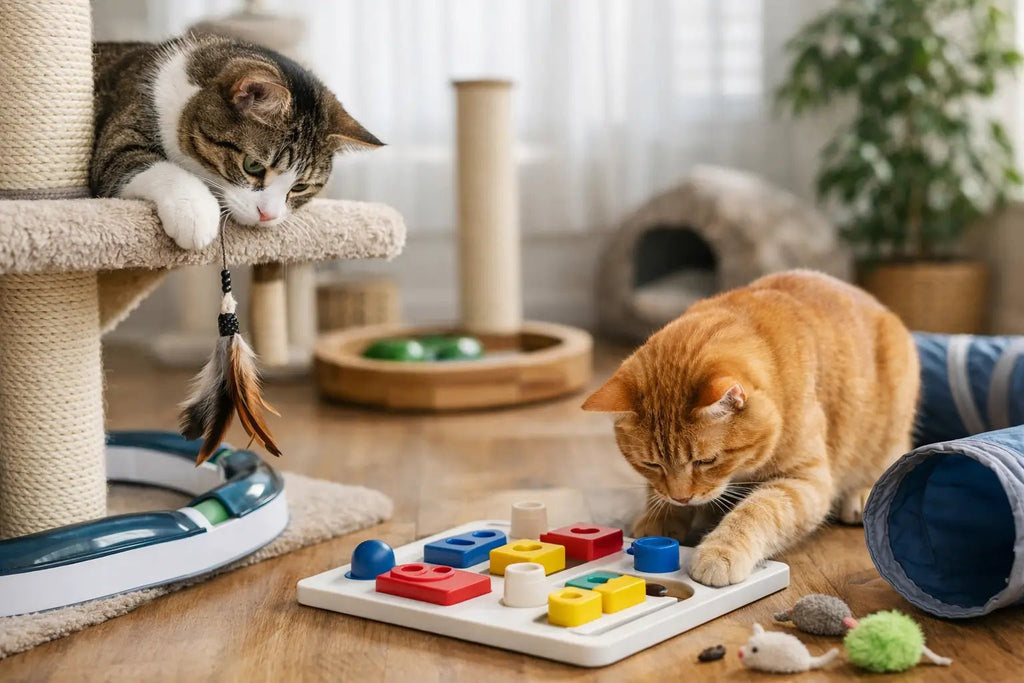
Puzzle and treat-dispensing toys can slow down fast eaters and give busy minds something positive to focus on. Use treats that fit the toy correctly, and wash the toy after use so crumbs and residue do not build up. If your dog becomes frustrated rather than engaged, make the challenge easier.
Check Toys Before Every Play Session
A quick inspection takes less than a minute and can prevent a scary situation. Pick up the toy, bend it, squeeze it, and look closely at the seams and edges. You are checking for changes, not perfection.
Retire a toy if you see deep cracks, missing pieces, loose stuffing, frayed rope strands, exposed squeakers, or a broken surface. A toy that has become small enough to swallow should be removed right away. With rubber toys, watch for chunks bitten away around the edges. With rope toys, watch for long, loose threads that could be swallowed.
Washing toys regularly is part of safety, too. Fabric toys can hold dirt, saliva, and odors, while rubber and plastic toys may collect grime in grooves. Follow the care instructions when provided. If a toy cannot be cleaned properly or stays unpleasant after washing, it may be time for a replacement.
Supervision Is a Safety Tool
Even a well-made toy can become risky when a dog uses it in an unexpected way. The safest approach is to supervise new toys until you understand how your dog handles them. This is especially helpful for puppies, strong chewers, dogs that guard resources, and pets that have swallowed non-food items in the past.
Supervision does not mean hovering over every game of fetch. It means being nearby enough to notice changes: your dog suddenly trying to swallow the toy, shredding a seam, coughing, or becoming overly intense. If your dog is chewing so forcefully that pieces are coming off, calmly trade the toy for a safer option rather than pulling it away and creating a chase.
Multi-dog homes deserve extra care. A toy that is safe for one dog may be too small for another, and excitement can lead to grabbing, guarding, or rough play. Give each dog an appropriately sized toy, and separate them for high-value chews when needed.
Know When to Call Your Veterinarian
Contact your veterinarian promptly if you think your dog has swallowed part of a toy, even if they seem normal at first. Signs such as repeated vomiting, gagging, trouble breathing, excessive drooling, a painful belly, loss of appetite, unusual tiredness, or difficulty passing stool need urgent attention.
Do not try to induce vomiting unless a veterinary professional tells you to. Some items can cause more harm coming back up. If possible, save the packaging or bring an identical toy so your veterinary team can better understand the material and potential size of the missing piece.
Make Safer Play Easy at Home
Set up a simple toy routine that works for your household. Keep a small basket of safe, current toys and store damaged ones out of reach until they can be discarded. Rotate toys every few days so familiar favorites feel fresh again without needing to buy a large pile at once.
At Souths Pet Supplys, we believe happy pets deserve comfortable, joyful everyday essentials at prices that make caring easier. Choosing thoughtfully, checking toys often, and staying present during play helps protect the moments your dog loves most. The best toy is not the flashiest one - it is the one that fits your dog well and lets the fun keep going safely.