
Cat Care Essentials Checklist for Every Home
The first night with a cat can tell you everything. If the litter box is in the wrong spot, the bed is ignored, or the food bowl slides across the kitchen floor, you find out fast what matters and what does not. A smart cat care essentials checklist helps you skip that trial-and-error stage and build a home that feels safe, comfortable, and easy to manage from day one.
Some cats settle in quickly. Others need a little more patience and the right setup. Either way, the basics are not about buying the most expensive products. They are about choosing dependable, everyday essentials that support health, comfort, and calm routines.
What should be on a cat care essentials checklist?
A good cat setup covers six daily needs: food, water, litter, sleep, play, and basic health care. Miss one, and you usually feel it right away. Maybe your cat scratches the couch because there is no scratcher nearby, or stops drinking enough because the bowl is too small, too deep, or placed in a noisy corner.
The goal is not perfection. It is creating a space your cat can understand. Cats thrive on consistency, and the right essentials make that easier for both of you.
Food and feeding basics
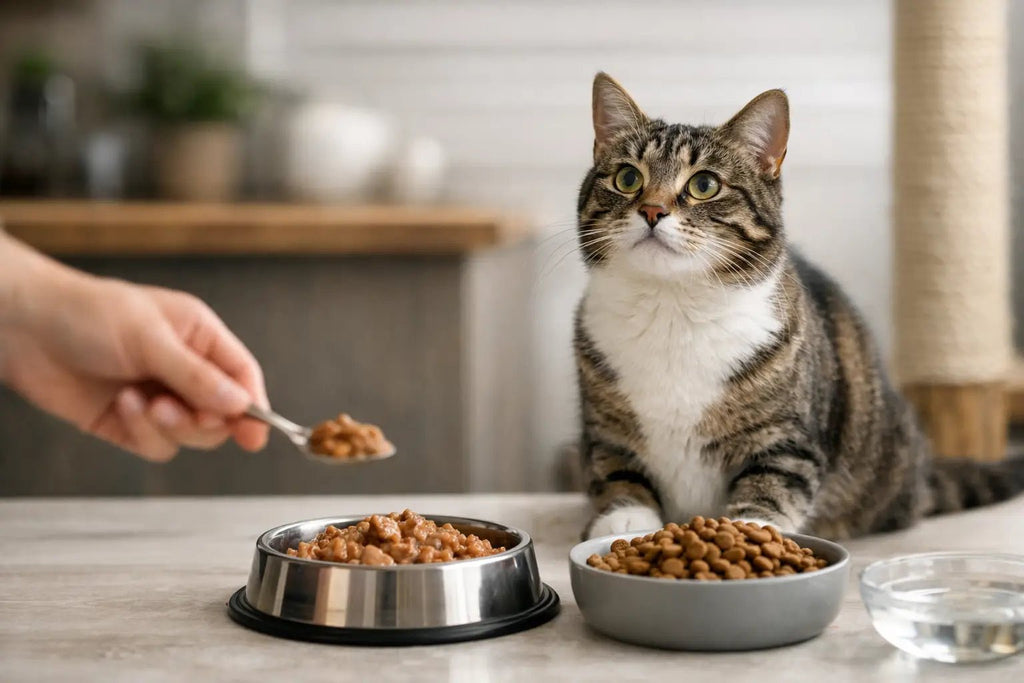
Start with quality cat food that matches your cat’s life stage. Kittens, adults, and senior cats have different nutritional needs, and indoor cats may need a different calorie balance than highly active cats. Wet food can help with hydration, while dry food is convenient and often budget-friendly. For many homes, a mix of both works well.
Your feeding setup matters more than many people expect. Choose bowls that are easy to clean and wide enough that your cat’s whiskers are not constantly brushing the sides. Some cats are not picky at all, while others will avoid a bowl they find annoying. That is one of those small trade-offs worth paying attention to.
If your schedule gets hectic, a measured feeding routine helps prevent overfeeding. Free-feeding may seem easier, but it can make weight gain harder to spot. Portion control is usually the safer choice, especially for indoor cats.
Fresh water, always
Hydration belongs near the top of every checklist. Cats can be subtle drinkers, which means low water intake is easy to miss until it becomes a problem. Keep fresh water available at all times and wash bowls regularly.
Some cats prefer still water, while others drink more from a fountain. It depends on the cat and your budget. If your cat is ignoring the water bowl, try changing the location first. Many cats prefer water set away from food and litter areas.
The litter box setup that makes life easier
A litter box is not just a box and a scoop. Placement, size, and cleanliness all affect whether your cat uses it consistently. One of the most common mistakes is choosing a box that is too small or putting it in a high-traffic, noisy area.
Most cats do best with a roomy litter box in a quiet, easy-to-reach spot. If you have more than one cat, you will likely need more than one litter box. That is not overdoing it. It reduces stress and can prevent territorial behavior or accidents.
Litter type can take some experimenting. Unscented litter is often the safest place to start because strong fragrances can bother sensitive cats. Clumping litter makes daily scooping easier, but some households prefer alternative materials for dust control or tracking. There is no single perfect answer here. The best choice is the one your cat reliably uses and that you can keep clean without a struggle.
A sturdy scoop, litter mat, and regular cleaning routine turn this from a frustrating chore into a manageable one. That is one of the biggest themes in cat care: the easier the routine is for you, the more consistent it will be.
Comfort essentials your cat will use every day
Cats need secure places to rest, hide, and observe. That usually means more than one sleep spot. A soft cat bed is great, but many cats also love blankets, window perches, or quiet corners where they can tuck themselves away.
If your home has hard floors or tends to stay cool, warm and cushioned bedding can make a big difference in daily comfort. Older cats especially benefit from supportive, easy-to-access resting areas. Kittens, on the other hand, may care less about style and more about finding the coziest place close to you.
You do not need to fill every room with cat furniture. A few well-placed comfort items usually work better than cluttering the house with things your cat may ignore. Think cozy, washable, and easy to move if your cat starts showing a clear favorite spot.
Scratching and climbing needs
If you want to protect your furniture, scratching posts are not optional. Scratching helps cats stretch, mark territory, and maintain their claws. The trick is placement. Put scratchers where your cat already likes to scratch or where they spend a lot of time, not hidden in a spare room nobody uses.
Some cats prefer vertical posts. Others want flat scratch pads. Many enjoy both. The same goes for climbing. Cat trees and elevated spots can help indoor cats feel more secure and entertained, especially in smaller homes.
Play is part of care, not just entertainment
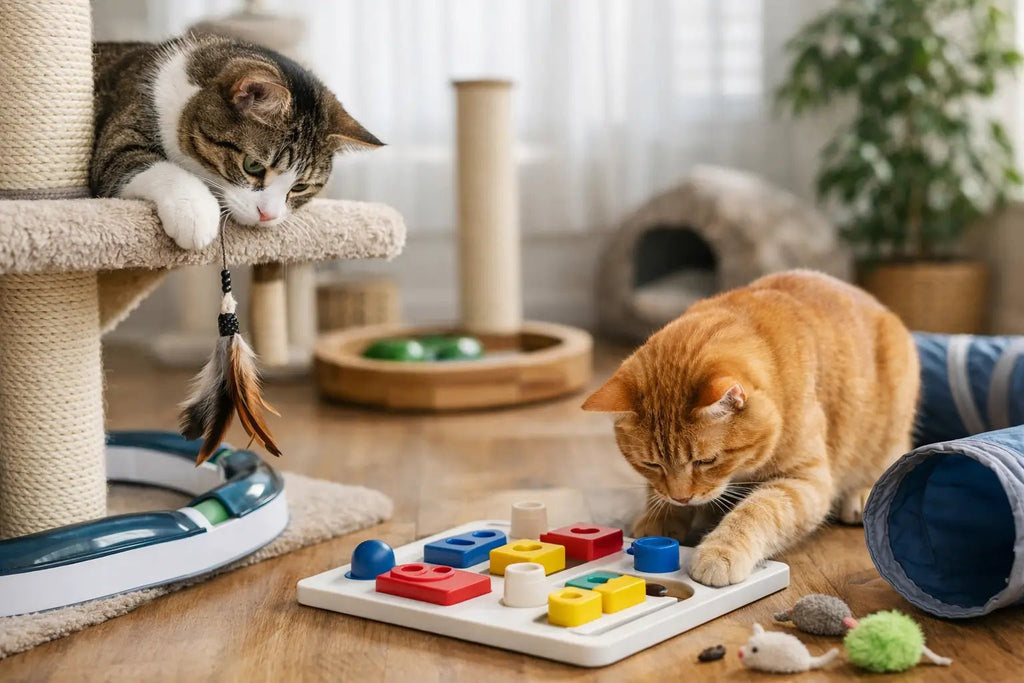
A bored cat can become destructive, anxious, or withdrawn. Toys are not extra. They are part of healthy daily life. Interactive toys encourage exercise and mimic natural hunting behavior, while solo toys help your cat stay busy when you are not available.
Rotate toys instead of leaving everything out all the time. That simple change can keep playtime interesting without adding more clutter or cost. Wand toys, plush toys, balls, and crinkle items all have their place, but your cat will usually tell you what they love pretty quickly.
This is also where value matters. You do not need luxury toys to keep a cat happy. Safe, durable basics often do the job just as well. At Souths Pet Supplys, that everyday approach is part of what makes shopping simpler for pet parents who want comfort and quality without overspending.
Grooming and hygiene essentials
Even cats that groom themselves need a little help. Brushing removes loose fur, reduces shedding, and can cut down on hairballs, especially in long-haired breeds. A gentle brush matched to your cat’s coat type will get used far more often than a one-size-fits-all grooming tool that feels harsh or awkward.
Nail care matters too. Regular nail trims help protect your furniture, your skin, and your cat’s paws. If trimming at home feels intimidating, ask your veterinarian or groomer to show you the safest technique.
You should also keep a few simple hygiene basics on hand: pet-safe wipes for small messes, cleaning supplies for accidents, and a carrier for vet visits or emergencies. A carrier is one of those things people forget until they suddenly need it. Keeping one ready saves stress later.
Health, safety, and routine care
Your cat’s essentials checklist is not complete without basic health support. Schedule regular veterinary visits, stay current on vaccines, and talk with your vet about parasite prevention, dental care, and healthy weight goals. These are easy to push down the list when your cat seems fine, but prevention is usually less expensive and less stressful than treating a bigger issue later.
An ID tag or microchip is also worth having, even for indoor cats. Doors get left open. Screens fail. Accidents happen. A small step now can make a huge difference if your cat ever gets out.
Watch your home from a cat’s point of view, too. Loose cords, toxic plants, unstable shelves, and easy-to-swallow small objects can all create problems. Safety often comes down to simple fixes that make everyday life smoother.
A realistic checklist for new and longtime cat parents
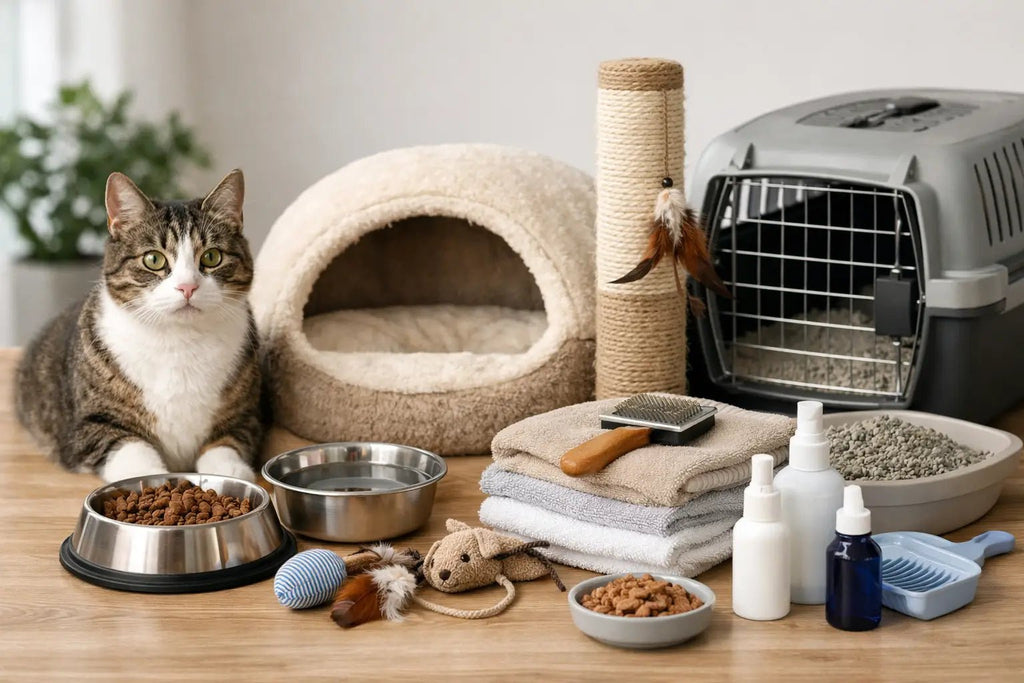
The best cat care essentials checklist is the one you can actually maintain. Start with the non-negotiables: balanced food, fresh water, a clean litter box, a safe carrier, a place to sleep, scratching options, and a few engaging toys. Then build from there based on your cat’s age, energy level, coat type, and habits.
A kitten may need more play sessions and closer supervision. A senior cat may need softer bedding, easier litter box access, and extra grooming support. A shy rescue cat may care more about hiding spots than fancy toys for the first few weeks. Your checklist should reflect the cat in front of you, not a picture-perfect setup from somewhere else.
Good cat care does not have to feel complicated or expensive. It works best when it is thoughtful, practical, and easy to repeat every day. When your cat has the basics covered, you get more than a tidy feeding station or a cleaner corner for the litter box. You get a calmer home, better routines, and more of those quiet, happy moments that make pet parenting feel easy.
Related post


15
Jul

13
Jul
