
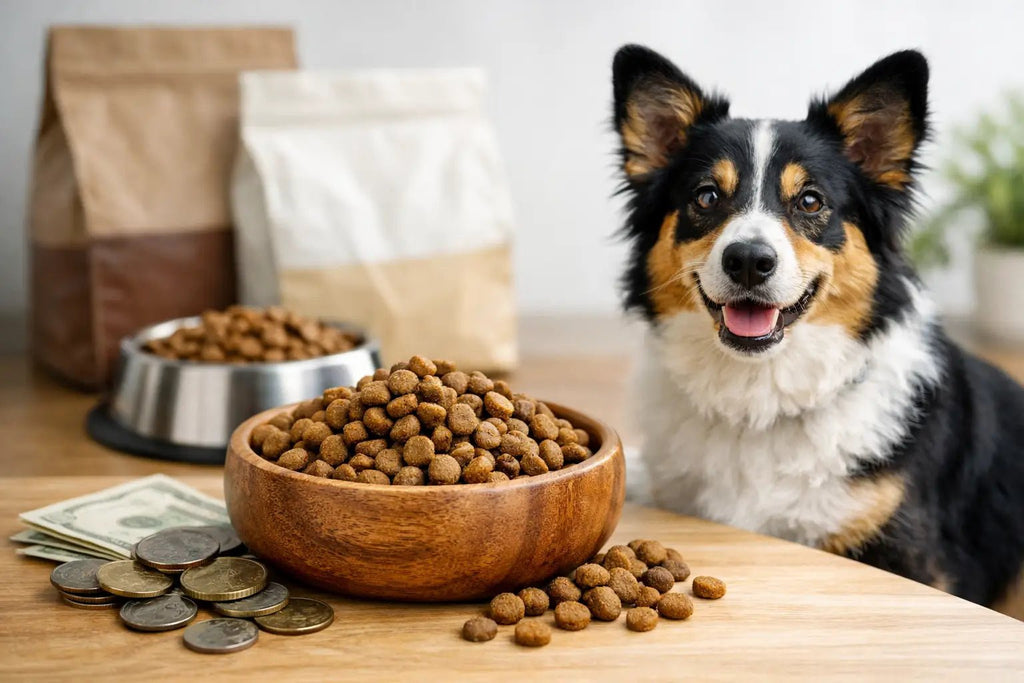
Best Dry Dog Food Budget Picks That Make Sense
A low price tag can feel like a win right up until your dog turns up their nose at dinner, deals with tummy trouble, or seems hungry again an hour later. Finding the best dry dog food budget option is really about getting steady nutrition, solid ingredients, and a price you can live with month after month.
That matters because dog food is not a one-time buy. It is a repeat purchase that affects your pet's energy, coat, digestion, and overall comfort every single day. For most families, the goal is simple: feed your dog well without paying premium prices for branding, trendy ingredients, or fancy packaging that does not add much to the bowl.
What best dry dog food budget really means
Budget dog food does not have to mean poor quality. In many cases, it simply means focusing on the basics and choosing a formula that delivers complete and balanced nutrition without extras your dog may not need.
The best value foods usually get a few things right. They provide a dependable protein source, include essential vitamins and minerals, and match your dog's life stage and size. They also come in bag sizes and price points that make routine feeding easier for everyday pet parents.
What you are looking for is not the cheapest bag on the shelf. You are looking for the food that gives you the most nutrition per dollar while still working for your dog's body, appetite, and activity level.
How to spot a good budget dry dog food
A smart budget pick starts with the label. The ingredient list and guaranteed analysis can tell you a lot before you ever pour the first cup.
Look for a named protein source near the top of the ingredient list, such as chicken, beef, lamb, or salmon. Meat meal can also be useful in dry food because it is concentrated and can provide solid protein value. That said, every dog is different. Some do well on chicken-based recipes, while others may need a different protein if they are sensitive.
You also want to see that the food is complete and balanced for your dog's life stage. Puppies need different nutrition than adult dogs, and senior dogs often do better with formulas that support weight management or joint health. A food that is wrong for your dog's age is not a bargain if it creates problems later.
Digestibility matters too. Corn, rice, barley, oats, and similar ingredients are not automatically bad. In fact, many affordable dry foods use grains well. Grain-free is not always better, and for many dogs it is not necessary. If your dog digests grains comfortably, a grain-inclusive recipe can be one of the best ways to keep costs down without cutting corners.
Ingredients worth paying attention to
When shopping for the best dry dog food budget choices, it helps to know which details deserve your attention and which ones are mostly marketing.
Protein is important, but more is not always better if your dog is fairly low activity. A moderately active family dog may do great on a balanced formula with sensible protein and fat levels. Working dogs, young active dogs, and some larger breeds may need more calorie-dense options.
Fat supports energy, skin, and coat health, but very rich foods can be too much for dogs with sensitive stomachs. Fiber can help with digestion and stool quality. Added omega fatty acids, probiotics, and glucosamine can be nice benefits, though they should not distract from the basics.
One place to be careful is with vague label language. Terms like gourmet, premium, and natural-sounding branding can raise the price without telling you much about actual nutritional value. A simpler formula from a trusted manufacturer can be a much better buy.
The trade-off between price per bag and price per feeding
This is where many pet parents get tripped up. A lower bag price does not always mean lower feeding cost.
Some budget foods are less nutrient-dense, so you may end up feeding more cups per day to keep your dog satisfied and maintaining a healthy weight. A slightly more expensive bag that lasts longer can actually be the better budget pick.
The math is worth doing. Compare the bag size, feeding guide, and how many days a bag will realistically last for your dog's weight. If one food costs a few dollars more but stretches several extra days, it may be the stronger value.
This is especially true in multi-dog households, where the monthly food bill adds up fast. A dependable food with good calorie density, solid stool quality, and strong acceptance can save money over time because you waste less and switch less often.
Best dry dog food budget choices by dog type
There is no single food that works for every dog, which is why budget shopping should always start with your dog's needs.
Puppies
Puppies need calorie support, balanced calcium and phosphorus, and a formula made for growth. Do not cut costs by feeding a basic adult maintenance food too early. The better budget move is choosing an affordable puppy formula from a reputable brand and transitioning only when your veterinarian recommends it.
Adult dogs
For most adult dogs, this is where budget shopping gets easier. A standard complete and balanced kibble with named animal protein, digestible carbs, and moderate fat often works well. If your dog is healthy, maintains weight easily, and has good stool quality, you likely do not need the most expensive option.
Seniors
Senior dogs often benefit from controlled calories and easy digestibility. Some older dogs need more support for joints or weight management, while others simply need a formula that is easier on the stomach. Budget-friendly senior formulas can be a smart option if they help your dog stay comfortable and active.
Sensitive stomachs or allergies
This is where the cheapest route can backfire. If your dog gets itchy, gassy, or has loose stools on common proteins or ingredients, paying a bit more for a limited-ingredient or sensitive stomach formula may actually save money and stress. Constantly switching foods, adding toppers, or treating flare-ups gets expensive fast.
Red flags to watch for
If a food is dramatically cheaper than everything around it, there is usually a reason. Sometimes that reason is efficient manufacturing, but sometimes it is lower ingredient quality or weaker palatability.
Watch for foods that cause ongoing loose stool, frequent vomiting, major gas, dull coat, or noticeable drops in energy. Those are signs the food may not be a good fit, no matter how affordable it seemed at checkout.
Another red flag is buying giant bags before you know your dog likes the food and tolerates it well. The better budget habit is to test a smaller size first if you are trying a new formula. Wasted food is never a bargain.
How to switch foods without upsetting your dog
Even the best dry dog food budget pick can cause problems if you change too fast. A gradual transition usually works best.
Mix a small amount of the new food into the old food for a few days, then slowly increase the new food over about a week. Dogs with sensitive stomachs may need even longer. This slower approach helps reduce digestive upset and gives you time to spot any issues.
It also helps to keep portions measured. Overfeeding can make a decent food seem like the problem when the real issue is too much food at once. Use the feeding guide as a starting point, then adjust based on your dog's body condition, energy, and appetite.
Smart ways to save without feeding lower quality
Buying budget-friendly dog food is not only about the formula itself. A few simple shopping habits can protect your wallet too.
Larger bags often offer better value per pound if your dog already does well on that food and you can store it properly. Subscription savings, sale pricing, and stocking up when there is a real discount can also help, especially on essentials you buy repeatedly.
Storage matters more than many people realize. If kibble goes stale because the bag was left open or stored somewhere humid, that is money lost. Keeping food sealed and fresh helps maintain taste and quality so your dog actually finishes what you buy.
For everyday pet parents trying to balance care and cost, that steady, practical approach usually works better than chasing the newest trend. Souths Pet Supplys understands that most families are not looking for flashy. They want good products, fair pricing, and a happy dog at mealtime.
When budget food is a great fit and when it is not
For healthy dogs with normal digestion and no special dietary needs, a well-made affordable kibble can be an excellent choice. Many dogs thrive on straightforward formulas that cover the essentials without pushing the price up.
But there are times when spending more makes sense. Dogs with medical conditions, chronic allergies, repeated digestive issues, or breed-specific concerns may need targeted nutrition. In those cases, the best choice is not the cheapest one. It is the one that helps your dog feel better and stay healthy.
If you are ever unsure, your veterinarian can help you narrow it down based on your dog's weight, age, health history, and lifestyle. That guidance can save you from trial-and-error purchases and make your budget work harder.
The right bowl of food should leave your dog satisfied, comfortable, and ready for the next tail-wagging part of the day. When you focus on value instead of hype, feeding well on a budget gets a whole lot easier.
Related post




15
Jul

13
Jul
