
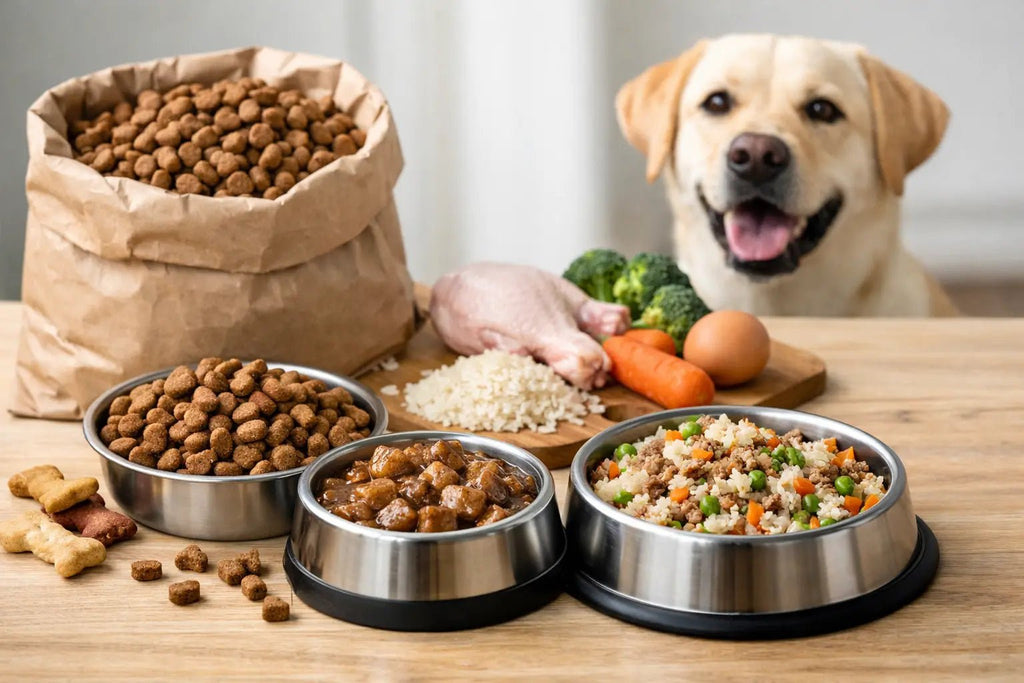
Best Budget Dog Food Options for Daily Care
That moment when you flip over a dog food bag and see the price jump again can make routine pet care feel harder than it should. The good news is that budget dog food options can still support your dog's health, energy, and comfort if you know what to look for and where to be flexible.
For most families, the goal is not to find the cheapest bag on the shelf. It is to find food that your dog does well on, that fits your monthly budget, and that feels trustworthy enough to serve every day. That balance matters. A lower price only helps if your dog digests the food well, keeps a healthy weight, and actually wants to eat it.
What makes budget dog food options worth buying?
Affordable dog food gets a bad reputation because some low-cost formulas cut corners in ways that show up fast. You may notice loose stools, poor coat condition, low energy, or a dog that loses interest after a few meals. But price alone does not tell the full story.
A smart budget-friendly choice usually gets the basics right. It offers complete and balanced nutrition for your dog's life stage, includes a clear protein source, and avoids turning the ingredient panel into a mystery. You do not need boutique extras or flashy packaging for a food to be a solid everyday option.
The best value often sits in the middle. Ultra-premium foods can stretch a household budget quickly, while the cheapest formulas may lead to waste or feeding problems that cost more later. Good budget dog food options are the ones that deliver consistency. They help your dog feel good day after day without making every refill stressful.
How to judge dog food value, not just price
A lower shelf price can be misleading if the feeding amount is high. One bag may look cheaper, but if you have to scoop much more per meal, the real cost per day can end up higher. That is why value matters more than sticker price.
Start with the feeding guide and compare how long a bag will last for your dog's size. Then think about digestibility. If your dog does well on a food, there is usually less waste, steadier appetite, and fewer mid-month surprises. A food that supports healthy digestion can feel like a better deal even if the bag costs a few dollars more.
Ingredient quality matters too, but it helps to stay practical. You are not shopping for a perfect label. You are looking for a dependable one. Named meat ingredients, added vitamins and minerals, and a formula matched to your dog's age and activity level are all good signs. If your dog has no special sensitivities, you may not need a limited-ingredient or grain-free formula, which often costs more.
Budget dog food options by dog type
Not every dog needs the same formula, and this is where a lot of pet parents overspend. Buying food designed for needs your dog does not actually have can raise your monthly cost without adding much benefit.
Puppies need growth support
Puppies need food made for growth, with the right balance of calories, protein, and minerals. This is one area where trying to save by choosing an adult formula is usually not worth it. A budget puppy food can still be a good choice if it is complete and balanced for growth and your puppy is thriving on it.
Adult dogs often do best with simple formulas
For healthy adult dogs, a straightforward chicken, beef, or lamb recipe is often enough. If your dog maintains a healthy weight, has normal stools, and stays active, you may not need to move into expensive specialty foods. This is where many families can find the sweetest spot between price and performance.
Senior dogs may need a little more attention
Older dogs can do well on budget-friendly senior formulas, but it depends on how they are aging. Some need weight control, while others need extra encouragement to eat. If your senior dog has health issues, the cheapest option may not be the best fit. Still, a reasonably priced senior food with moderate calories and joint-supporting nutrients can work well for many households.
Sensitive dogs change the equation
If your dog has itchy skin, recurring stomach trouble, or confirmed food sensitivities, cheaper trial-and-error shopping can become expensive fast. In that case, the better value may be a more targeted formula that prevents flare-ups and wasted bags. Budget matters, but comfort matters too.
Ingredients to prioritize when shopping on a budget
You do not need to memorize every ingredient term, but a few simple checks can make shopping easier. Look for a named protein source near the top of the list. That could be chicken, beef, salmon, or another familiar ingredient. A quality carbohydrate source like rice, oats, barley, or sweet potato can also be part of a balanced budget formula.
Added vitamins and minerals matter because they help round out everyday nutrition. Healthy fats support skin and coat condition, which is something many pet parents notice quickly when a food is or is not working.
At the same time, try not to get pulled in by marketing alone. Words like natural, premium, or wholesome can sound reassuring, but they do not always tell you whether the food is a smart fit for your dog's needs or your budget. Clear labeling and a formula your dog does well on are more useful than fancy front-of-bag promises.
Smart ways to save without lowering quality
A lot of saving happens before you ever open the bag. Buying the right size can lower the cost per pound, but only if your dog will finish it while the food stays fresh. For small dogs, giant bags are not always the best value. For larger dogs, bigger sizes often make much more sense.
Sticking with one food that works can also save money. Constantly switching because of sales, trends, or eye-catching packaging can upset digestion and lead to unfinished bags. Consistency is often the most budget-friendly move.
It also helps to keep treats in perspective. If your dog gets lots of extras throughout the day, you may be paying more for snacks than you realize while also throwing off regular meals. A balanced food routine usually stretches your budget better than a pantry full of impulse buys.
For everyday pet parents trying to make shopping simpler, stores that focus on value and essentials can take some pressure off. At Souths Pet Supplys, that idea is built into the shopping experience - practical pet care that feels reliable, affordable, and easy to keep up with.
When the cheapest dog food is not the best deal
There is a difference between affordable and risky. If a low-cost food leads to poor appetite, skin issues, digestive trouble, or a dull coat, you are not really saving. You are just moving the cost somewhere else.
This does not mean every budget food will cause problems. It simply means your dog gets the final vote. One dog may do beautifully on a modestly priced formula, while another may need a more specific recipe to stay comfortable. That is why watching your dog's response matters more than chasing the lowest number on the shelf.
Look at body condition, stool quality, energy, coat softness, and overall enthusiasm at mealtime. Those day-to-day signals tell you whether a food is delivering real value.
How to switch to new budget dog food options safely
If you are changing foods to save money, make the transition gradually. A sudden switch can cause stomach upset even if the new food is perfectly fine. Mix a small amount of the new food into the old food and increase it over about a week. For sensitive dogs, going slower may help.
During the switch, pay attention to stool changes, scratching, gas, or a sudden drop in appetite. If your dog stays comfortable and interested in meals, that is a good sign the new option is working. If not, a different formula may be a better fit.
This is one of those areas where patience protects your budget. A careful transition gives the new food a fair chance and lowers the odds of wasting a full bag.
A realistic mindset for feeding well on a budget
Feeding your dog well does not have to mean chasing the most expensive brand or the most talked-about formula. For many families, the best choice is the one that supports steady health, fits the grocery plan, and makes everyday care feel manageable.
A happy, healthy dog does not measure love by the price of the food bag. They feel it in full bowls, steady routines, and the care behind every choice you make. If you focus on consistency, label basics, and how your dog responds, budget-friendly feeding can still be very good feeding.
The right food is the one that lets your dog feel comfortable, keeps your routine simple, and leaves enough room in the budget for all the other little things that make life with pets joyful.
Related post




15
Jul

13
Jul
