How to Clean Dog Toys Safely at Home Weekly
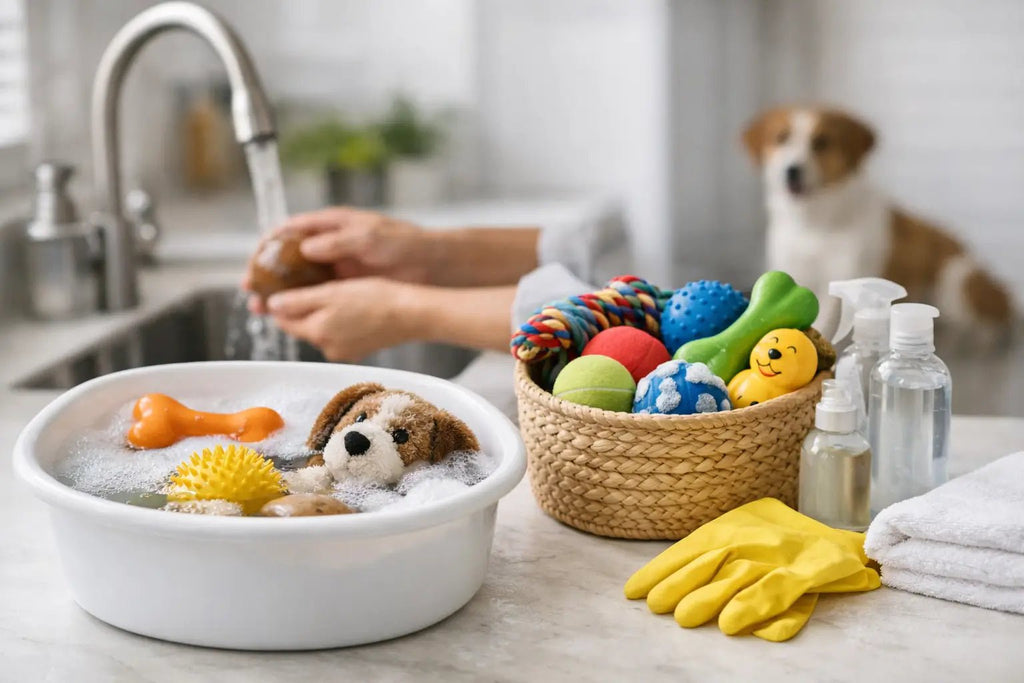
A well-loved squeaky toy can pick up more than happy memories. It collects slobber, food crumbs, dirt from the yard, and sometimes a smell that tells you it is past due for a wash. Learning how to clean dog toys gives your pup a fresher, safer playtime and helps their favorite toys last longer.
The best cleaning method depends on what the toy is made of. A plush duck, a rubber treat toy, and a knotted rope should not all go through the same wash cycle. Start by checking the care label or packaging when you still have it, then use a gentle approach that protects both the toy and your dog.
Why clean toys deserve a spot in your routine
Dogs use their mouths to explore, carry, chew, and play. That means toys can hold saliva, bacteria, grime, and traces of whatever your dog found interesting outside. For healthy dogs, a little everyday dirt is normal. Still, regular washing helps control buildup and odors, especially on toys that are chewed daily or brought outdoors.
Clean toys can also be easier to inspect. While washing, you may spot loose seams, exposed stuffing, cracked rubber, or small pieces that could become a choking hazard. If a toy is damaged beyond a safe repair, it is time to replace it. A great deal is only a great deal when the toy is still safe for play.
How often you clean depends on your dog and the toy. Toys used every day, shared by multiple pets, carried outside, or stuffed with treats may need cleaning once a week. Indoor toys that get lighter use can often be washed every two to four weeks. Clean anything right away after it has been in mud, vomit, diarrhea, or raw food.
How to clean dog toys by material
Before washing, separate toys by material and remove any treats, batteries, or detachable parts. This simple step prevents a plush toy from trapping crumbs in the wash or a treat-dispensing toy from holding old food in a hidden corner.
Plush and stuffed toys
Most fabric toys can be washed in the washing machine if their labels allow it. Put them in a mesh laundry bag or pillowcase, then wash on a gentle cycle with cold or warm water and a small amount of fragrance-free, pet-safe detergent. Avoid fabric softener, which can leave residue on a toy your dog will mouth.
Air-drying is the safest option for stuffed toys. Press out excess water with a clean towel and let the toy dry completely in a well-ventilated space. High dryer heat can shrink fabric, melt glued parts, or damage squeakers. If the label says tumble drying is safe, use the lowest heat setting.
For a toy with a battery pack, electronics, or a sound chip that cannot be removed, do not submerge it. Wipe the surface with a damp cloth and a tiny amount of mild soap, then wipe again with a clean damp cloth to remove soap residue. Keep water away from seams and electronic compartments.
Rubber, silicone, and hard plastic toys
Durable rubber toys, chew toys, and treat dispensers usually clean up well with warm water, mild dish soap, and a soft brush. A bottle brush or clean toothbrush is especially useful for grooves, holes, and treat compartments where food residue tends to hide.
Rinse until the water runs clear and there is no slippery feel left on the surface. Soap left behind can upset some dogs' stomachs, so this part matters. Let the toy air-dry completely before returning it to the toy bin.
Some dishwasher-safe toys can go on the top rack of the dishwasher. Check the manufacturer's instructions first. High heat can warp certain plastics and may weaken glued pieces. Dishwasher cleaning is convenient for solid, durable toys, but handwashing is the safer choice when you are unsure.
Rope toys
Rope toys are excellent for tugging, but their fibers hold saliva and dirt easily. For cotton rope toys, soak them in warm water with a small amount of mild, fragrance-free detergent, then gently work the water through the fibers. Rinse thoroughly several times.
You can also wash many rope toys in a mesh laundry bag on a gentle cycle. Let them air-dry fully, ideally in sunlight or a breezy spot. Do not give a damp rope toy back to your dog, since moisture can leave it smelling musty.
Watch rope toys closely after cleaning. If strands are badly frayed or your dog pulls off and swallows pieces, replace the toy. Washing makes a toy fresher, but it cannot make worn fibers safe again.
Natural rubber, nylon, and chew toys
For firm chew toys, use warm soapy water and a brush. Pay extra attention to bite marks and crevices. If a nylon chew toy has sharp edges, deep cracks, or pieces missing, retire it rather than trying to scrub it back into service.
Avoid boiling toys unless the maker specifically says it is safe. Heat may seem like a quick way to sanitize, but it can change a toy's shape, create weak spots, or release unwanted odors. The same caution applies to microwaving toys. A few minutes saved is not worth damaging a toy your dog chews.
Cleaning products to skip
A stronger cleaner is not necessarily a better cleaner for dog toys. Your dog will likely put the toy in their mouth again, so mild products and careful rinsing are usually the right choice.
Skip bleach, ammonia, disinfectant sprays, heavily scented detergents, and essential oil cleaners unless a veterinarian has specifically directed you to use something for a particular health concern. These products can leave irritating residue or strong scents that make play less pleasant.
White vinegar is sometimes used for odor control, but it should be diluted and rinsed well. It can be useful on hard, nonporous toys, yet it is not a substitute for washing away visible dirt and food buildup. For most routine cleanups, warm water, mild soap, and a thorough rinse do the job beautifully.
Make toy cleaning easier every week
A small routine keeps the task from turning into a sink full of mystery toys. Keep a basket for clean toys and a separate spot for toys that need washing. After outdoor play or a messy treat session, place the used toys in the wash spot instead of mixing them back in with clean ones.
It also helps to rotate toys. Put a few away while others are in use, then bring them back out after cleaning. Your dog gets a little novelty without needing a brand-new toy every week, and you get time to wash and dry everything properly.
For multi-pet homes, consider giving each pet their own plush toys and chew items when possible. Sharing is sweet, but separate toys can reduce the spread of saliva, especially if one pet is sick or has a sensitive stomach. Wash shared toys more often and keep an eye on wear from double the chewing.
When a toy should be replaced, not cleaned
No cleaning method can fix a toy that is falling apart. Throw away toys with exposed squeakers, loose plastic eyes, broken pieces, unraveling rope that your dog can swallow, or stuffing spilling through a tear. A toy that has a persistent odor after washing may also be too worn or too difficult to clean thoroughly.
Choose replacements that fit your dog's size and play style. Gentle cuddlers may love soft comfort toys, while determined chewers need sturdier options designed for stronger jaws. Souths Pet Supplys makes it easier to keep a fresh rotation of everyday play essentials on hand without stretching your pet-care budget.
A clean toy is a small act of care your dog feels right away. Set aside a few minutes each week, let every toy dry fully, and return your pup's favorites ready for the next happy game of fetch, tug, or squeak-filled celebration.
Related post
04
Aug
02
Aug
01
Aug
29
Jul