Best Dog Jackets for Winter: What to Buy
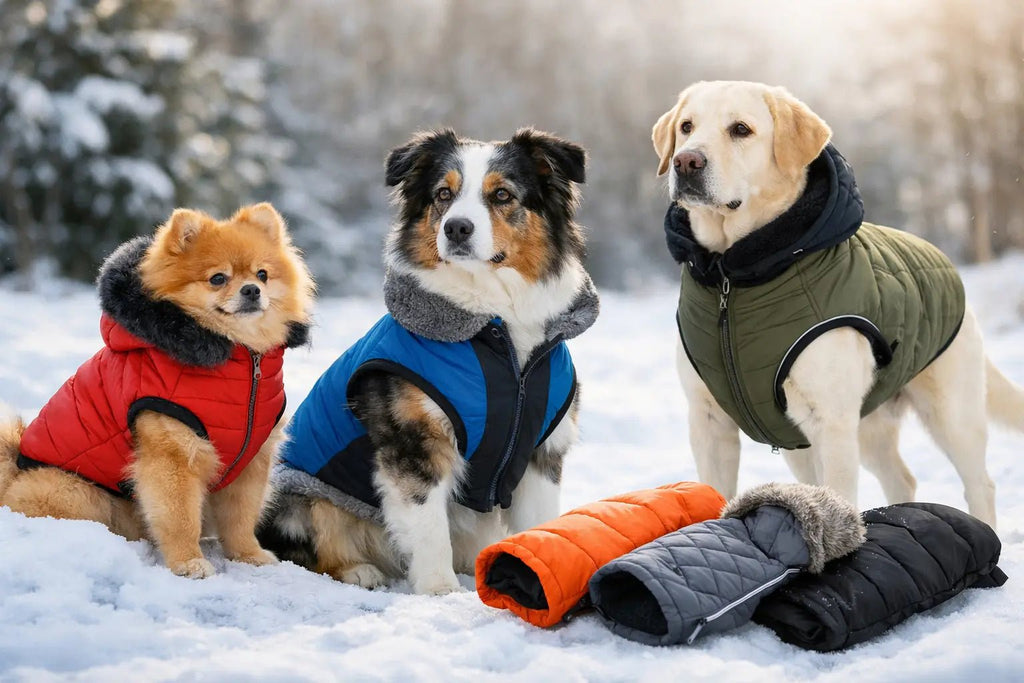
Cold sidewalks, early sunsets, and that stubborn wind off the parking lot can make even a quick potty break feel rough. Finding the best dog jackets for winter is less about dressing your dog up and more about keeping them warm, dry, and comfortable when the temperature drops.
Some dogs handle winter like little athletes. Others start shivering before you even clip on the leash. Breed, size, age, coat type, and health all matter, which is why the right winter jacket is not the same for every pup. A senior Chihuahua, a lean Greyhound, and a thick-coated Husky do not need the same level of insulation, and treating them like they do usually leads to an unhappy walk.
How to choose the best dog jackets for winter
The best winter jacket should solve a real problem for your dog. That may be cold air, wet snow, icy wind, or just short fur that offers very little natural protection. Start there instead of focusing only on color or style.
Warmth comes first, but warmth can mean different things. A lightly insulated jacket works well for cool, dry days and dogs that already have a decent coat. A fleece-lined or padded option makes more sense for very cold weather, especially for smaller breeds and dogs with thin fur. If your winters are wet, water resistance matters just as much as insulation. A soaked jacket can make your dog colder, not warmer.
Fit is the next big factor. A jacket should sit close enough to hold warmth without rubbing under the legs or bunching along the chest. If it shifts every few steps, your dog will notice. If it is too tight, your dog may resist walking, sitting, or doing their business. Look for adjustable straps around the chest and neck so you can get a snug but comfortable fit.
Coverage matters too. A good jacket protects the core, since that is where your dog keeps body heat, but it should not block movement. Some jackets cover more of the belly, which can help in snow, while others leave the underside more open for convenience. There is no single right choice here. If you live somewhere slushy, extra belly coverage can be useful. If your dog needs fast, easy bathroom breaks, a simpler cut may be the better call.
What makes a winter dog jacket actually worth buying
A winter dog jacket earns its place when it does three things well. It keeps your dog comfortable, it stays on properly, and it holds up through real use.
Comfort starts with the inside of the jacket. Soft linings like fleece usually feel gentler against the coat and reduce irritation. Stiff interiors can create friction, especially on active dogs who pull, run, and roll. The outer layer should block wind and handle light moisture without feeling heavy.
The closure system matters more than many pet parents expect. Hook-and-loop closures are quick and easy, which is great for wiggly dogs and busy mornings. Buckles can feel more secure, especially on larger dogs, but they take a little more time. Step-in styles can work well for calm dogs, though some pets strongly dislike having gear pulled over their heads or threaded around their legs.
Durability is where cheaper-looking jackets often disappoint. Thin stitching, weak straps, and flimsy hardware tend to show problems after a few wears. Value matters, but value is not the same as buying the lowest-priced option. A well-made jacket that lasts through the season usually saves more money than replacing a poor one halfway through winter.
Best dog jackets for winter by dog type
If your dog is small or toy-sized, warmth disappears fast. These pups usually do best in insulated jackets with secure chest coverage and a close fit. Short-haired small breeds often benefit from fleece lining, and some may even need layering in very cold climates.
If your dog is lean and athletic, focus on core warmth and wind protection. Breeds like Whippets, Greyhounds, and Dobermans often have less natural insulation than people assume. A streamlined jacket that covers the chest and back without adding bulk is often the sweet spot.
If your dog is older, recovering from illness, or has joint stiffness, a jacket can do more than keep them cozy. It can help make winter walks less uncomfortable by reducing exposure to cold air and damp conditions. In these cases, soft materials, easy closures, and a no-fuss fit are often more important than sporty design.
For thick-coated dogs, the best choice may be lighter than you think. Many double-coated breeds do not need heavy insulation unless temperatures are extreme or conditions are wet and windy. A breathable, water-resistant shell is sometimes enough. Too much bulk can lead to overheating, especially during active play.
Puppies are their own category. They grow quickly, move constantly, and tend to treat jackets like chew toys if given the chance. Look for something simple, lightweight, and easy to clean. There is no need to overspend on an elaborate jacket they may outgrow in a few weeks.
Features that make winter walks easier
Reflective trim is one of the most useful details on a winter dog jacket. Walks often happen in low light during colder months, and a jacket with visibility features gives you extra peace of mind near driveways, sidewalks, and roads.
A harness opening is another practical feature. If your dog wears a harness for walks, make sure the jacket works with it instead of forcing awkward layering. Some jackets fit well over a harness, while others are designed with a leash portal so you can attach easily without compromising fit.
Easy cleaning is worth paying attention to. Winter gear gets dirty fast from salt, mud, and slush. Machine-washable jackets tend to be the most realistic option for everyday use. If a jacket is difficult to clean, it often ends up being worn less.
Lightweight construction can also be a quiet advantage. A heavy jacket may seem warmer, but if your dog freezes up or walks awkwardly in it, that warmth will not help much. Dogs need enough flexibility to move naturally, especially around the shoulders.
Common mistakes when buying a dog winter jacket
One of the biggest mistakes is buying based on breed label alone. Even within the same breed, body shape can vary a lot. Always check actual measurements, especially back length, chest girth, and neck size. If your dog falls between sizes, the better option usually depends on the jacket style. Adjustable designs give you more room to get it right.
Another common issue is overestimating how much jacket your dog needs. Not every dog needs a heavily insulated coat, and too much warmth can be just as uncomfortable as too little. Watch your dog on walks. If they seem relaxed and eager to move, that is a good sign. If they pant in cold weather or try to shake the jacket off, reconsider the weight or fit.
Style-only shopping can also backfire. A cute pattern is a nice bonus, but not if the jacket gaps at the chest, restricts the front legs, or soaks through in the first snowfall. The best dog jackets for winter balance looks with function, and function should win every time.
How to know if your dog really needs a winter jacket
A lot of pet parents ask this, and the honest answer is: it depends. Dogs that are small, short-haired, elderly, very young, underweight, or sensitive to cold usually benefit most. Dogs with thick, weather-ready coats may not need one for every outing.
Look at behavior instead of guessing. Shivering, lifting paws, slowing down, hunching, or resisting walks can all point to discomfort. Some dogs also become less willing to go outside when the weather turns cold and wet. A properly fitted jacket can make those daily outings easier and less stressful.
Local climate matters too. A dog in a dry 40-degree day may be perfectly fine without a jacket. That same dog in freezing rain, wind, or snow may need extra protection. Winter is not just about temperature. Moisture and wind chill change everything.
Getting the most value from your purchase
If you want a jacket that feels worth the money, think about your real routine. Do you need something for quick bathroom breaks, neighborhood walks, weekend hikes, or all three? A simple everyday jacket often covers most needs better than an expensive specialty style that only works in one situation.
It can also help to prioritize features in this order: fit, weather protection, comfort, and then appearance. When those first three line up, your dog is more likely to actually wear the jacket, which is what makes it a smart buy. At Souths Pet Supplys, that practical balance between comfort, quality, and budget-friendly value is exactly what many pet parents are looking for during colder months.
Your dog does not care whether their jacket looks trendy in photos. They care whether they can step outside, stay warm, and enjoy the walk. Pick the jacket that helps them do that, and winter gets a whole lot easier for both of you.
Related post
11
Jun
09
Jun
07
Jun